
Connector Assembly Errors and How To Prevent Them
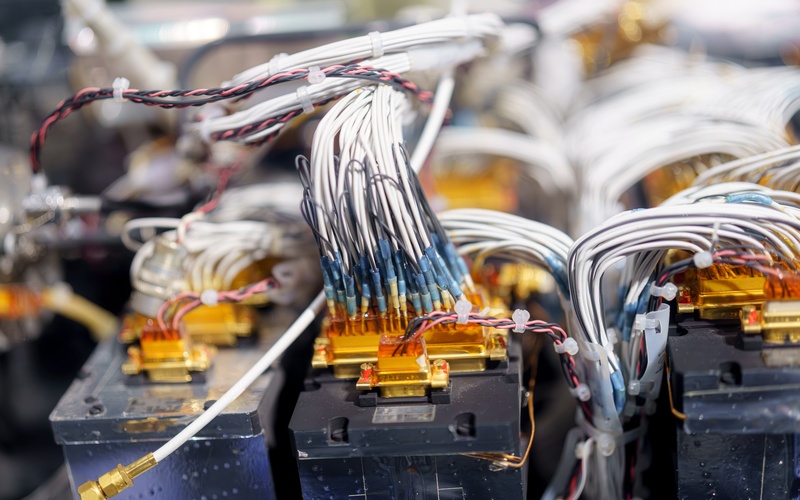
Connector assembly failures cost manufacturers thousands of dollars in downtime, rework, and customer complaints. You cannot afford to let preventable errors slip through your quality control process. Every misaligned pin, contaminated contact, and improper crimp creates reliability issues that compromise your entire system.
Understanding connector assembly errors and how to prevent them becomes critical upon recognizing that most failures occur during the manufacturing process rather than in field applications. Your assembly team faces constant pressure to meet production targets while maintaining zero-defect quality standards. This creates an environment where shortcuts and oversights can devastate your reputation and bottom line.
The complexity of modern electrical systems demands precision at every connection point. When you consider that a single 8-pin electrical connector can have dozens of potential failure modes, the importance of systematic error prevention becomes clear. Your success depends on implementing comprehensive quality measures that eliminate human error and ensure consistent performance across every unit you produce.
Common Assembly Errors That Compromise Performance
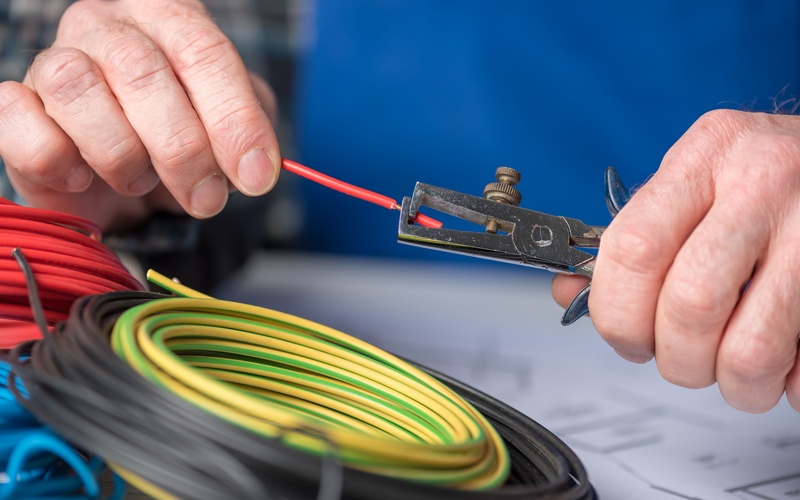
Assembly errors typically fall into several categories that experienced manufacturers recognize immediately. Improper wire preparation represents the most frequent issue, where technicians fail to strip conductors to the correct length or leave damaged strands that create intermittent connections. Your quality standards must specify exact strip lengths and require visual inspection of every prepared wire end.
Contact insertion problems create another significant failure mode. When technicians apply insufficient force during insertion, contacts fail to engage properly with retention mechanisms. Conversely, excessive force can damage contact springs or deform housing walls. Your assembly procedures must define proper insertion techniques and provide tools that prevent both under-insertion and over-insertion scenarios.
Contamination during assembly introduces foreign materials that interfere with electrical continuity. Handling connectors without proper protective equipment transfers oils and debris to contact surfaces. Manufacturing environments often contain airborne particles that settle into connector cavities during extended periods of assembly. Your contamination control protocols must address both human handling and environmental factors.
Wire Preparation Techniques That Eliminate Connection Failures
Proper wire preparation begins with selecting stripping tools that are calibrated for your specific conductor sizes. Manual strippers require consistent technique from every operator, while automated equipment ensures repeatable results across high-volume production runs. Your tool selection must balance cost considerations against the precision requirements of your applications.
Strip length specifications must account for connector design parameters and allow proper contact engagement without exposing conductors beyond the connector housing. Insufficient strip length prevents complete insertion, while excessive length creates potential short circuits between adjacent contacts. Your documentation should include visual aids showing correct strip dimensions for each wire gauge and connector type.
Conductor inspection after stripping identifies damaged strands that compromise connection integrity. Nicked conductors create stress concentration points that lead to fatigue failures under thermal cycling or vibration conditions. Your inspection criteria must reject any conductor showing visible damage and require re-preparation from an undamaged section of wire.
Contact Installation Methods That Ensure Reliable Connections
Contact installation requires understanding the mechanical engagement between contact and housing retention systems. Most connectors employ spring-loaded retention clips that must deflect during insertion and snap back to secure the contact permanently. Your technicians need training on recognizing proper retention sounds and visual confirmation that contacts have seated completely.
Insertion force measurements provide objective verification that contacts have engaged correctly. Under-insertion typically requires less force than specified values, while damaged retention mechanisms may allow insertion without proper engagement. Your process controls should include go/no-go force testing for critical applications where connection reliability cannot be verified through visual inspection alone.
Contact orientation becomes critical for keyed connector systems where improper alignment prevents mating or creates intermittent connections. Some contacts have asymmetrical designs that only function correctly in one orientation. Your assembly fixtures must prevent incorrect contact insertion and provide clear visual references for proper alignment.
Housing Assembly Best Practices for Professional Results
Housing preparation involves cleaning internal cavities and verifying that retention mechanisms function properly before contact insertion. Manufacturing residues or handling contamination can interfere with contact retention or create insulation resistance problems. Your cleaning procedures must remove all foreign materials without damaging plastic housing components or metallic contact surfaces.
Assembly sequence affects the accessibility of individual contact positions and the ability to verify proper insertion. Some connectors require specific insertion orders to avoid interference between adjacent contacts or to maintain adequate spacing during the assembly process. Your work instructions should specify the optimal sequence and identify any positions that require special handling techniques.
Connector alignment during housing assembly prevents stress concentrations that can cause cracking or deformation when mating forces are applied. Misaligned housing halves create uneven load distribution that may not cause immediate failure but reduces long-term reliability. Your assembly fixtures must ensure proper alignment and apply uniform clamping pressure across all engagement surfaces.
Quality Control Measures That Catch Problems Early
Visual inspection standards must define acceptable appearance criteria for every aspect of connector assembly. Contact alignment, housing integrity, wire dress, and overall cleanliness all contribute to final product quality. Your inspection criteria should include photographic references showing acceptable and rejectable conditions for each inspection point.
Electrical testing verifies continuity, insulation resistance, and contact resistance for every circuit path. These measurements identify intermittent connections, contamination problems, and contact damage that may not be visible during assembly. Your test specifications must include appropriate limits based on application requirements and environmental conditions.
Pull testing confirms the mechanical integrity of wire-to-contact connections and contact-to-housing retention. Proper test procedures apply gradually increasing loads until specified values are reached without connection failure. Your pull test equipment must provide accurate force measurement and controlled loading rates that simulate actual service conditions.

Advanced Prevention Strategies for Zero-Defect Manufacturing
Process standardization eliminates variability between operators and shifts by documenting every assembly step in detail. Standard work instructions should include tool requirements, inspection criteria, and handling procedures that ensure consistent results regardless of who performs the assembly. Your documentation must be clear enough that new technicians can achieve acceptable quality levels with minimal training.
Mistake-proofing techniques prevent common errors by designing physical constraints into your assembly process. Connector housing designs, tooling configurations, and work station layouts can eliminate opportunities for incorrect assembly. Your manufacturing engineering team should continuously evaluate opportunities to make errors impossible rather than relying solely on operator training and inspection.
Statistical process control identifies trends that indicate potential quality problems before they result in defective products. Tracking assembly times, force measurements, and rejection rates reveals process variations that may not be apparent from individual inspection results. Your quality systems should include real-time monitoring of key process parameters and automatic alerts when control limits are exceeded.
Taking Action To Eliminate Assembly Errors
Understanding connector assembly errors and how to prevent them represents a critical manufacturing challenge that requires systematic approaches rather than reactive solutions. Your organization cannot afford to treat assembly quality as an optional consideration when customer satisfaction and product reliability depend on error-free connections.
Implementation of comprehensive error prevention strategies starts with an honest assessment of your current capabilities and identification of specific improvement opportunities. Focus on the highest-risk failure modes first, then expand your prevention efforts to address less critical issues. Your success depends on the consistent application of proven techniques rather than hoping that existing problems will resolve themselves.