
Factors That Determine Connector Cycle Life Ratings
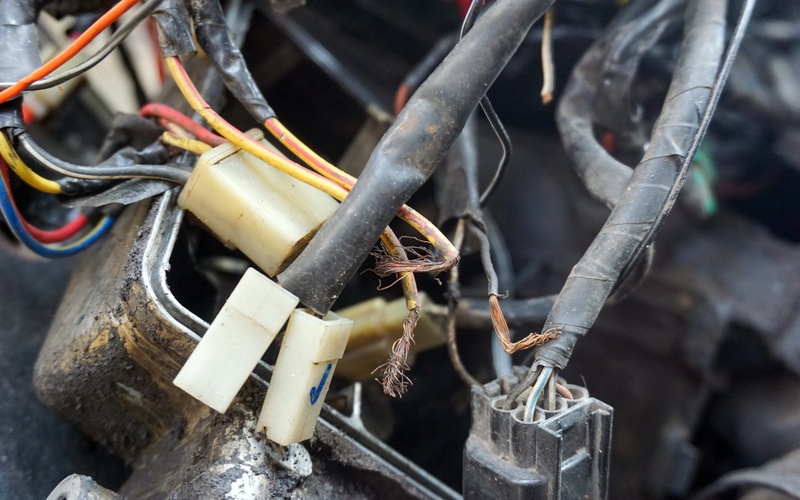
Automotive connectors deal with constant vibration, heat, and road exposure that never takes a day off. Factors that determine connector cycle life ratings explain why one connector lasts for years and another taps out early.
A better grasp of cycle life helps techs, shop managers, and parts buyers avoid repeat repairs and frustrated customers. That knowledge also supports smarter connector selection across repairs, rebuilds, and upgrades. If long-term reliability matters to your shop, this breakdown points the way toward better connector choices right from the start.
What Connector Cycle Life Ratings Actually Mean
Cycle life ratings describe how many mate-and-separate actions a connector can handle before performance drops outside acceptable limits. That performance drop may involve weaker contact force, higher resistance, or unstable signal flow. Automotive ratings reflect harsher conditions than lab environments due to vibration, temperature swings, and contaminants.
A connector rated for 50 cycles may suit a one-time repair, while a 500-cycle option fits service-heavy components. The rating acts as a durability reference rather than a guarantee.
Why Automotive Applications Demand High Standards
Vehicles create a rough environment that stresses connectors from day one. Road vibration applies repeated micro-movement at contact points, which accelerates wear. Engine bays add heat that expands metals and plastics at different rates.
Moisture, dust, and chemical exposure push materials closer to failure thresholds. Cycle life ratings account for these combined pressures. This explains why automotive connectors differ from general electrical parts.
Contact Material and Surface Plating
Contact material shapes how well a connector holds up across repeated cycles. Copper alloys provide flexibility and conductivity, which helps reduce fatigue. Surface plating adds another layer of protection at the contact interface.
Tin supports cost-effective designs but wears faster under repeated use. Gold resists oxidation and friction across higher cycle counts. The plating thickness also plays a role, since thinner coatings wear through faster.
Contact Design and Normal Force
Contact geometry affects how evenly pressure spreads across mating surfaces. A well-designed contact distributes force instead of concentrating stress at a single point. Normal force, which describes how firmly contacts press together, supports stable conductivity across repeated cycles.
Too much force accelerates wear. However, too little allows micro-arcing and resistance buildup. Balance here supports longer cycle life without sacrificing signal quality.
Housing Material and Structural Support
Connector housings protect contacts and hold alignment through each mating action. Automotive housings rely on engineered plastics that tolerate heat, vibration, and chemical exposure. Poor structural support allows contact misalignment.
Unfortunately, that misalignment increases wear during each cycle. Reinforced latch areas also reduce housing fatigue across repeated disconnects. Strong housings protect internal components rather than becoming the failure point.

Alignment Features and Terminal Retention
Alignment features guide terminals into position during mating. Proper alignment reduces scraping, bending, and uneven contact wear. Terminal retention strength also matters, since loose terminals shift under vibration and repeated use. That movement stresses crimp points and contact surfaces alike. Stable terminal positioning supports consistent performance across the rated cycle range.
Environmental Sealing and Contamination Control
Seals protect connectors from moisture, debris, and corrosive exposure. Without sealing, contaminants reach contact surfaces and accelerate degradation. Rubber seals, grommets, and cavity plugs support cycle life by limiting abrasive particles.
Even minor contamination increases friction during mating cycles. Cleaner contact interfaces retain conductivity and mechanical stability longer.
Temperature Exposure and Thermal Expansion
Automotive connectors experience wide temperature swings across daily operation. Metals and plastics expand and contract at different rates, which stresses contact interfaces. Over time, that stress affects contact force and alignment. Materials selected for similar expansion characteristics reduce that mismatch. Thermal stability supports consistent performance across repeated cycles.
Vibration and Mechanical Stress
You can buy 4-wire pigtail connectors online right now, but choosing the perfect design requires you to think about many details unique to your application, including mechanical stress. Vibration applies constant micro-movement to connectors across vehicle operation. That motion causes fretting at contact points, which wears plating and raises resistance.
Connectors designed for higher cycle life account for this motion through contact geometry and material choice. Locking mechanisms also limit unintended movement. Reduced vibration impact directly supports longer service life.
Mating Speed and User Handling
How a connector mates affects wear patterns across cycles. Simply put, install your connectors carefully. Controlled insertion aligns contacts smoothly, while forced engagement causes scraping and deformation.
Field conditions vary, especially during tight repairs under dashboards or engine bays. Connectors rated for higher cycle life tolerate less-than-perfect handling better. That tolerance reduces premature wear during service.
Manufacturing Tolerances and Consistency
Precision during manufacturing shapes long-term durability. Tight tolerances support consistent contact force and alignment across production batches. Variations lead to uneven wear patterns that shorten cycle life. Automotive connectors follow strict quality controls due to safety and reliability demands. Consistency across units supports predictable service outcomes.
Application-Specific Cycle Life Expectations
Not every connector requires the same cycle rating. Sensors, control modules, and body electronics face different service patterns. Components accessed during diagnostics or recalibration benefit from higher ratings. Permanent connections may tolerate lower cycle counts without risk. Matching the connector to its service role supports cost control and reliability.

Balancing Cost and Durability
Higher cycle life usually increases material and production costs. Shops balance that cost against repair frequency and labor time. A connector replacement that requires dash removal justifies higher durability. Accessible connectors allow more flexibility in rating selection.
Long-Term Reliability and Customer Trust
Connector failure erodes customer confidence quickly. Electrical faults create symptoms that frustrate diagnosis and repair timelines.
Durable connectors reduce those risks across the vehicle lifespan. Cycle life ratings help predict that durability before installation. Better predictions support stronger repair outcomes and customer trust.
Why Understanding These Factors Matters
Factors that determine connector cycle life ratings shape connector performance across years of vehicle or machine operation. Material choice, design structure, environmental exposure, and usage patterns all play a role. Ignoring those factors leads to early failures and repeat repairs.
Paying attention upfront supports smoother diagnostics and stronger outcomes. If your shop values durability and customer satisfaction, choose connectors with the right cycle life rating and make every repair count.