
Common Materials in Automotive Connectors
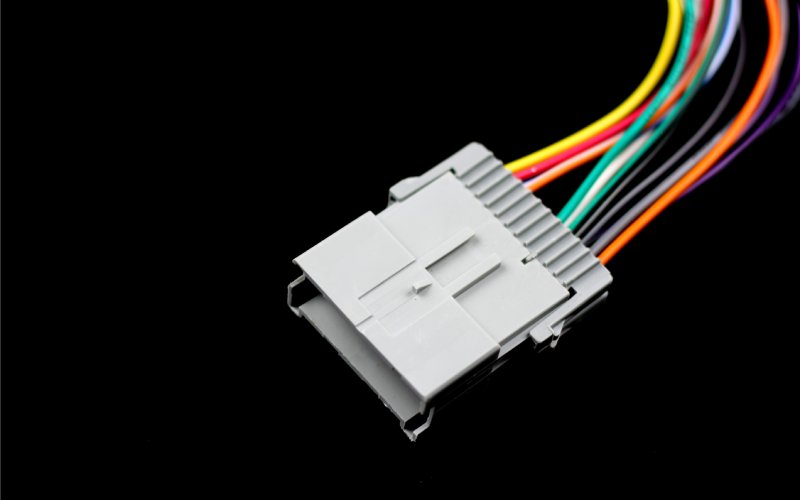
Automotive connectors are critical components in any modern vehicle, serving as the backbone of the electrical system that powers everything from the engine management system to the infotainment console. The reliability of these connectors is non-negotiable, as a single failure can lead to significant operational issues or even safety hazards. Selecting the right materials ensures that connectors can withstand the harsh conditions inside a vehicle, including extreme temperatures, constant vibrations, and exposure to various fluids and chemicals. This guide will provide a detailed overview of the common materials in automotive connectors, explaining why specific plastics and metals are chosen for their unique properties that contribute to the durability and performance of a vehicle's intricate electrical network.
The Role of Plastic Housings in Connector Design
The plastic housing is the most visible part of an automotive connector. Its primary function is to provide insulation, preventing electrical shorts between adjacent terminals. It also serves as a protective shell, shielding the internal metal components from physical damage, moisture, and chemical contamination. The housing is designed with features that facilitate secure mating, such as locking mechanisms and keying options, which prevent mismating. The material chosen for the housing must possess a combination of mechanical strength, thermal stability, and chemical resistance to perform reliably over the vehicle's lifespan. These plastics must maintain their structural integrity and insulating properties across a wide range of operating temperatures, from the freezing cold of winter to the intense heat generated in the engine bay. The choice of plastic is a critical decision that directly impacts the connector's longevity and overall performance within the demanding automotive environment.
Polyamide as a Primary Housing Material
Polyamide, often referred to by its trade name Nylon, is a widely used material for automotive connector housings due to its excellent balance of properties. It offers high mechanical strength and toughness, which allows it to resist physical impacts and the stresses of repeated mating and unmating cycles. Its inherent flexibility helps prevent cracking under vibration. Polyamide also demonstrates good thermal stability, capable of withstanding the high temperatures found in proximity to the engine. Furthermore, it exhibits strong resistance to many automotive fluids, including oils, greases, and fuels, which is crucial for maintaining its integrity over time. Different grades of polyamide, such as PA6 and PA66, are often filled with glass fibers to enhance their stiffness and dimensional stability, making them suitable for more demanding applications where precision and rigidity are required. This versatility makes polyamide a default choice for a wide array of connector types throughout the vehicle.

The Application of Polybutylene Terephthalate (PBT)
Polybutylene Terephthalate, or PBT, is another thermoplastic polymer frequently selected for connector housings. PBT is known for its exceptional dimensional stability, meaning it holds its shape well under thermal and mechanical stress. This characteristic is vital for connectors that require tight tolerances to ensure a reliable connection, such as those used for sensitive electronic control units. PBT also offers excellent electrical insulating properties and has a high resistance to a broad spectrum of chemicals. Its low moisture absorption rate is another significant advantage, as it ensures that the connector's electrical and mechanical properties remain consistent even in humid environments. Like polyamide, PBT can be reinforced with glass fibers to increase its strength and stiffness, expanding its range of applications to areas where higher performance is necessary. Its combination of stability, electrical performance, and chemical resistance makes PBT an indispensable material in the automotive connector industry.
High-Performance Plastics for Demanding Environments
In certain areas of a vehicle, such as within the engine compartment or transmission, connectors are exposed to extremely high temperatures and aggressive chemicals. For these applications, standard plastics like polyamide and PBT may not suffice. High-performance polymers such as Polyphenylene Sulfide (PPS) and Polyetheretherketone (PEEK) are used instead. PPS is valued for its outstanding thermal stability, capable of operating at continuous temperatures well above what other plastics can endure. It also possesses exceptional chemical resistance and is inherently flame-retardant. PEEK offers even higher performance, with superior mechanical properties at elevated temperatures and resistance to an even wider range of chemicals. While these materials are more expensive, their use is justified in critical applications where failure is not an option and where the connector must perform flawlessly under the most severe conditions imaginable within a vehicle's operational lifecycle.
The Importance of Metal Terminals
While the plastic housing provides protection and insulation, the metal terminals are the components that actually conduct the electrical current. These small but crucial parts must maintain a stable electrical connection despite vibration, temperature fluctuations, and the passage of time. The material used for terminals needs to have high electrical conductivity to minimize power loss and heat generation. It also requires good mechanical properties, including springiness, to ensure a consistent contact force when the connector is mated. This force is essential for a low-resistance, reliable connection. Furthermore, the terminal material must be resistant to corrosion, which can degrade the electrical connection and lead to failure. The choice of metal is a careful balance of these electrical, mechanical, and chemical properties to guarantee the long-term reliability of the electrical pathway.
Copper Alloys as the Foundation for Terminals
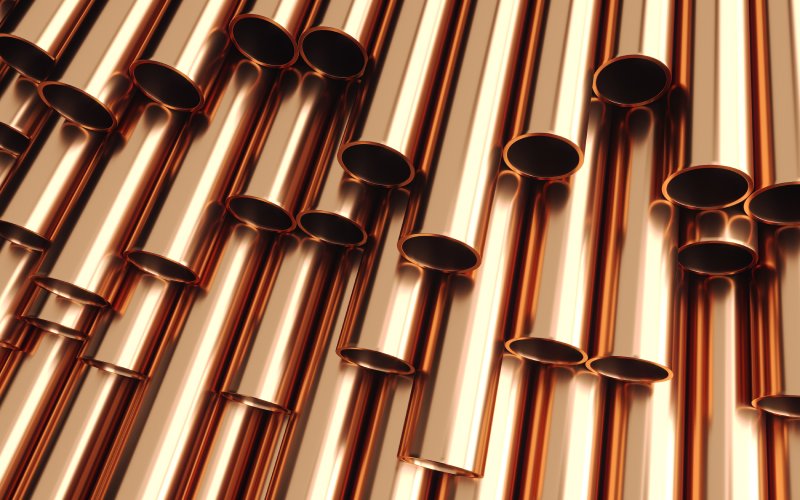
Copper alloys are the most prevalent materials for automotive connector terminals due to their excellent electrical conductivity, which is second only to silver. Pure copper is too soft for this application, so it is alloyed with other elements, such as brass, bronze, and beryllium, to enhance its mechanical strength and durability. Brass, an alloy of copper and zinc, is a cost-effective option that provides a good combination of conductivity and strength, making it suitable for many general-purpose connectors. Phosphor bronze, an alloy of copper, tin, and phosphorus, offers superior spring properties and fatigue resistance, which is important for terminals that undergo repeated stress. For high-performance applications, such as those requiring very low contact resistance or reliable operation over many mating cycles, beryllium copper is often used. Although more expensive, it provides an unmatched combination of high strength, conductivity, and resistance to wear and relaxation over time. Even 7-pin connectors for specific functions rely on these robust alloys.
The Role of Plating on Connector Terminals
To further enhance the performance and longevity of metal terminals, they are almost always coated with a thin layer of another metal, a process known as plating. Plating serves several critical functions. It protects the base copper alloy from corrosion, which is a primary cause of increased contact resistance and connection failure. Tin is a common plating material because it is cost-effective and provides good corrosion resistance and solderability. For more demanding applications where the highest reliability is required, gold plating is used. Gold is extremely resistant to corrosion and oxidation, ensuring a stable, low-resistance connection over the vehicle's life. Silver plating is also used as it offers excellent conductivity and good corrosion resistance, often serving as a compromise between the performance of gold and the cost of tin. The choice of plating material is determined by the connector's specific requirements, including the current level, operating environment, and expected number of mating cycles.
Conclusion
The meticulous selection of materials for automotive connectors is fundamental to the safety and functionality of modern vehicles. Understanding these common materials in automotive connectors underscores the engineering complexity behind even the smallest vehicle components and highlights their indispensable role in automotive innovation.