
Sealed vs. Unsealed Connectors: Which Should You Choose?
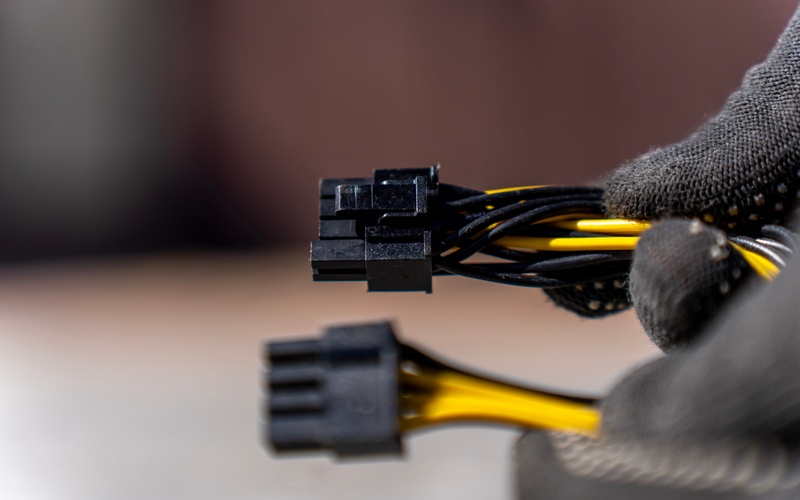
When it comes to automotive electrical repairs, connector selection can have a huge impact on long-term reliability. A connector that works perfectly in one location may fail prematurely in another due to moisture, dirt, heat, or road debris. That’s why it pays to understand the differences between sealed and unsealed options before placing an order or starting a repair.
If you're replacing damaged connectors or upgrading an electrical system, take a few minutes to compare both styles. The right choice can help reduce corrosion, improve electrical performance, and save time down the road. Let’s examine sealed vs. unsealed connectors, and which you should choose for your application.
How Sealed Connectors Work
Sealed connectors keep environmental contaminants away from electrical contacts. Rubber seals, grommets, and other protective components create a barrier around wires and terminals. This design helps block water, dust, mud, road salt, and other materials that can damage electrical connections.
These connectors appear throughout modern vehicles. You'll find them near headlights, taillights, engine sensors, fuel systems, and exterior-mounted electrical components. Any area exposed to weather or harsh operating conditions can benefit from additional protection.
Picture a connector mounted near a wheel well. Rainwater, road spray, and debris constantly reach that location. Without protection, corrosion could develop over time. A sealed connector helps prevent that problem by keeping contaminants away from the contact points.
Advantages of Sealed Connectors
One major benefit comes from durability. Since moisture and contaminants have a harder time reaching the terminals, electrical performance tends to remain stable for longer periods. Corrosion resistance is another strong advantage. Rust and oxidation can create electrical resistance, causing intermittent faults or complete failures. A properly installed sealed connector helps reduce those risks.
Sealed designs also support modern vehicle demands. Today's vehicles contain dozens of sensors, modules, and electronic systems that rely on consistent electrical communication. A protected connection helps those systems operate as they should.
Many technicians prefer sealed connectors for repairs in challenging environments. Vehicles used on construction sites, farms, coastal regions, or snowy roads face constant exposure to harsh conditions. Additional protection provides valuable peace of mind.
Potential Drawbacks of Sealed Connectors
Despite their strengths, sealed connectors aren't always the perfect solution. Cost is one factor worth considering. Additional sealing components typically increase manufacturing expenses, resulting in higher prices compared to unsealed alternatives.
Installation can also require extra attention. The seals must sit correctly to maintain protection. If a seal becomes damaged or installed incorrectly, moisture may still find a path inside.
Sealed connectors can also occupy slightly more space. In tight areas, that extra bulk may create challenges during installation or routing. For certain protected interior applications, the extra protection may not provide enough benefit to justify the additional expense.

Understanding Unsealed Connectors
Unsealed connectors use a more straightforward design. They connect wires and terminals without specialized environmental barriers. Since they contain fewer components, they tend to be smaller, lighter, and easier to assemble.
These connectors work well in protected vehicle locations. Areas inside dashboards, cabin electronics, overhead consoles, and certain interior harnesses typically remain isolated from water and debris. In those environments, extensive sealing may not be necessary.
Many older vehicles relied heavily on unsealed connector systems. Even today, manufacturers continue using them in applications where environmental exposure remains minimal. Their simplicity makes them attractive for many repair situations. Technicians can quickly access terminals and perform maintenance when necessary.
Advantages of Unsealed Connectors
Lower cost ranks among the biggest advantages. Since fewer materials are involved, unsealed connectors generally cost less than comparable sealed models.
They also allow easier inspection and service. Technicians can access contacts more quickly during troubleshooting or repairs. This can shorten diagnostic time and simplify replacement procedures.
Compact sizing creates another benefit. Smaller connectors fit well into crowded interior spaces where every inch matters. For low-risk environments, unsealed connectors perform extremely well. A dashboard harness located inside a climate-controlled cabin may never encounter conditions severe enough to require environmental sealing.
Situations Where Unsealed Connectors Fall Short
Problems arise when unsealed connectors face harsh conditions. Water intrusion can lead to corrosion, electrical resistance, and intermittent failures. Dirt and debris may also accumulate around contact surfaces over time.
Road salt creates another challenge. Vehicles operated in northern climates face constant exposure during winter months. Salt can accelerate corrosion dramatically when electrical connections remain unprotected.
Engine compartments present additional risks. Heat, vibration, moisture, and chemical exposure can all affect connector longevity. In many of these locations, sealed designs provide greater protection. A repair that saves a few dollars initially may lead to future problems if the environment calls for additional protection.

Deciding Between Sealed and Unsealed Connectors
So, when you’re looking at sealed and unsealed connectors, which should you choose? The environment should guide your decision more than anything else. Consider where the connector will operate and what conditions it may encounter throughout its lifespan. Exterior applications generally favor sealed connectors.
Headlights, fog lights, sensors, trailer wiring, and underbody systems all benefit from environmental protection. Engine bay repairs frequently call for sealed designs as well. Heat and moisture create demanding conditions that can shorten connector life.
Interior applications typically provide more flexibility. Dashboard controls, audio systems, instrument clusters, and cabin electronics can perform perfectly well with unsealed connectors. Think about future exposure, too. A vehicle used for daily commuting in mild weather faces different challenges than a truck that spends its days on muddy job sites.
Make Your Decision Today
Sealed connectors excel in environments where moisture, dirt, road salt, or debris can threaten electrical performance. Their extensive protection helps support long-term reliability and reduces the likelihood of corrosion-related issues. Unsealed connectors remain a practical choice for protected interior locations. Their lower cost, compact size, and ease of service make them a great fit for many automotive electrical systems.
Rather than focusing solely on price, evaluate the conditions surrounding the repair. Matching the connector style to the environment usually delivers the best results and helps avoid unnecessary electrical headaches later.
When selecting replacement connectors for your next repair, take the time to evaluate exposure levels and operating conditions. You can find 6-pin connectors and other essential supplies online today. A well-matched connector will help support dependable electrical performance for years to come.