
Why Repairing Wiring Beats Full Harness Replacement
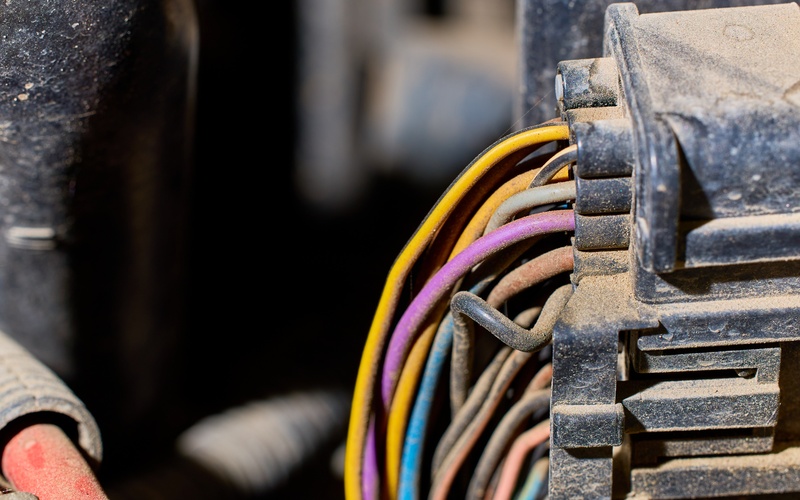
Electrical trouble can stop a vehicle in its tracks, but a damaged wire doesn't always call for a complete wiring harness swap. In many cases, a careful repair restores dependable performance without the expense and labor tied to full replacement. That approach saves time, protects factory components, and keeps the vehicle closer to its original condition. Take a closer look at why repairing wiring beats full harness replacement so you can explore every practical option available.
A Complete Harness Swap Isn't Always the Right Answer
A wiring harness contains dozens or even hundreds of wires, terminals, seals, and connectors. One damaged section rarely means every circuit has reached the end of its service life. If corrosion, heat, abrasion, or a collision affects only one area, a targeted repair usually solves the problem without disturbing the rest of the electrical system.
Picture a truck with one broken wire near a headlight connector after years of vibration. Replacing the entire harness could require hours of labor and plenty of interior trim removal. A professional repair at the damaged section restores power with far less disruption.
Repairs Save Time in the Shop
Labor remains one of the largest costs during electrical work. Full harness replacement can stretch into a lengthy project because technicians must route wires through dashboards, engine compartments, door panels, or underbody channels. Every connector and clip needs attention before the job reaches completion.
A localized repair trims much of that labor. Once the damaged section comes into view, the technician can replace the affected wire, terminal, connector, or seal without dismantling large portions of the vehicle. That shorter repair process helps vehicles return to the road sooner.
Lower Repair Costs Benefit Everyone
Vehicle owners appreciate repairs that solve the problem without unnecessary expense. A complete harness carries a high price before labor enters the picture. Some factory harnesses cost hundreds or even thousands of dollars, particularly for modern vehicles packed with electronics.
Repair work targets only the damaged area. New terminals, quality connectors, replacement wire, and weather seals usually cost far less than an entire harness assembly. Shops also benefit because customers receive an affordable solution without sacrifices in reliability.
Factory Routing Stays Intact
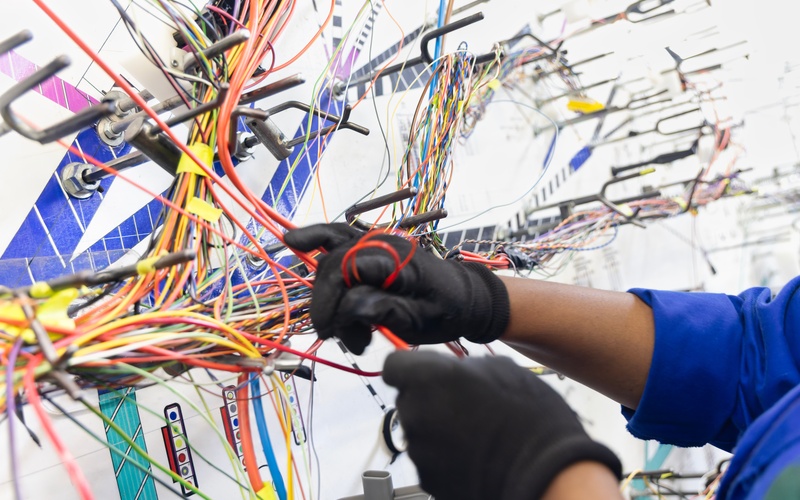
Vehicle manufacturers spend countless hours on harness layout. Every clip, bracket, and protective sleeve serves a purpose. Factory routing keeps wires away from heat, sharp edges, suspension movement, and moisture.
A complete replacement introduces more opportunities for routing errors or loose attachment points. Performing a careful repair leaves most of the original harness untouched, so the factory layout remains in place. That approach reduces the chance of future electrical trouble caused by improper wire placement.
High-Quality Repairs Deliver Long Service Life
Some drivers picture wire repairs as temporary fixes held together with electrical tape. Professional automotive repairs look very different. Correct wire gauge, sealed connectors, heat-shrink protection, and proper crimp techniques create durable repairs that stand up to vibration, temperature changes, and road conditions.
Quality replacement connectors also restore factory-style connections. Moisture stays outside the connector, electrical contact remains secure, and the repaired circuit performs just as intended. Attention to detail during the repair matters far more than the size of the repair itself.
Parts Availability Favors Repairs
Factory harnesses aren't always easy to locate. Older vehicles, discontinued models, and specialty equipment may require long wait times or expensive special orders. Some harness assemblies no longer exist through dealership inventories.
Repair components tell a different story. You can find an extensive range of automotive connectors alone. Replacement connectors, terminals, seals, and wire remain available for many applications. That wider availability helps technicians complete repairs without lengthy delays, even for vehicles that have spent years on the road.
Repairs Reduce Unnecessary Waste
Another key reason why repairing wiring beats full harness replacement is that it reduces unnecessary material waste. A wiring harness contains a tremendous amount of material. Copper wire, plastic conduit, insulation, terminals, and connectors all head toward disposal when a complete harness leaves the vehicle. Much of that material still has plenty of usable life.
Repair work replaces only damaged sections. Healthy portions remain in service instead of entering the waste stream. That practical approach benefits repair shops and vehicle owners alike without any compromise in repair quality.
Modern Diagnostics Support Accurate Repairs
Electrical diagnosis has advanced considerably over the years. Technicians now use scan tools, multimeters, circuit tracers, and factory service information to pinpoint faults with impressive accuracy. Instead of replacing large assemblies as a precaution, repairs focus directly on the damaged circuit.
That precision helps eliminate guesswork. Once the damaged wire, connector, or terminal comes into view, the repair addresses the actual cause instead of replacing hundreds of perfectly functional wires.
The Right Parts Matter
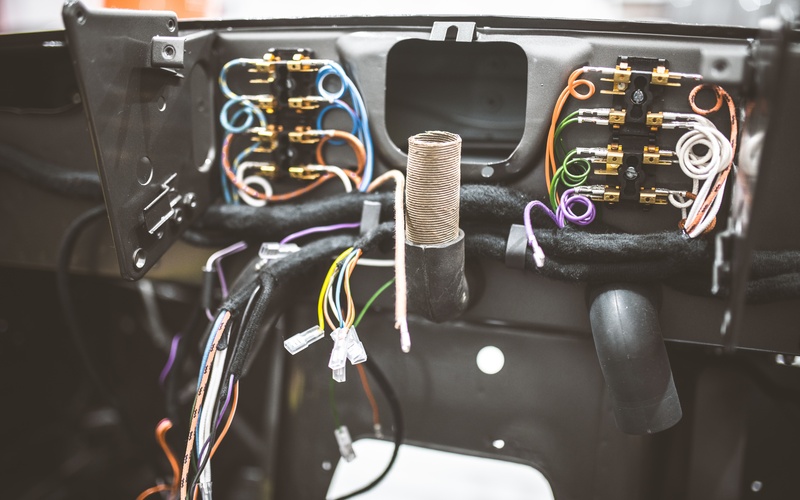
A durable repair depends on quality replacement components. Connectors must match factory specifications, terminals need proper fitment, and seals should protect against moisture and road debris. Poor-quality parts create new problems long before the repair should reach the end of its service life.
Professional-grade automotive connectors help restore factory performance. Correct fit reduces resistance, maintains reliable electrical contact, and supports dependable operation across countless miles. Attention to part selection pays dividends long after the repair leaves the shop.
Preventive Inspections Help Repairs Last Longer
A successful wiring repair doesn't end after the damaged wire receives attention. Technicians also inspect nearby connectors, mounting clips, protective loom, and surrounding insulation for wear that could lead to future problems. A few extra minutes during the repair can prevent another visit to the shop later.
Routine visual inspections also help vehicle owners catch small issues before they spread. Loose harness clips, worn protective coverings, or light corrosion around connectors deserve attention before electrical faults become more expensive to repair. A proactive approach extends the service life of the entire electrical system.
Keep Damage Localized
Not every electrical problem deserves the largest repair available. Damage limited to one section rarely justifies replacement of an entire harness. A thoughtful repair preserves factory routing, controls repair costs, shortens labor time, and restores dependable electrical performance with quality replacement components.
Before any wiring project moves forward, take a close look at the actual damage and choose the repair strategy that fits the situation. Careful wiring repairs paired with dependable automotive connectors can keep vehicles on the road for years without the cost and complexity of full harness replacement.