
List of 8 Critical Tests for Automotive Connector Quality
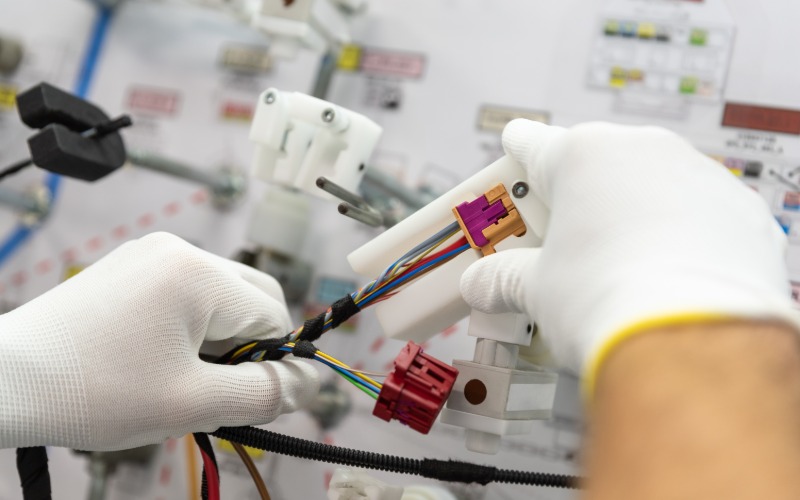
All vehicles face rough road miles, heat, water, salt, dust, and sharp vibration. A weak connector can throw off a sensor or stop fuel flow at the worst time. Dive into our list of critical tests for automotive connector quality to learn the essentials today.
#1 Heat Resistance Tests
Modern vehicles create a brutal heat zone under the hood. Near areas like exhaust parts or radiators, temperatures rise fast. A poor connector shell can warp, crack, or lose shape after long heat exposure. Plastic damage may loosen terminal contact and lead to random power loss.
Heat exams place connectors inside climate chambers for long spans at high temperatures. Lab staff then inspect shell shape, pin tension, and electrical flow. A solid connector keeps full contact strength after that heat cycle. Cheap plastic tends to fade, bend, or turn brittle.
Repair shops see this problem a lot near headlight circuits and fan systems. A bargain connector may work fine for a week, then fail after summer road heat hits full force. Better connector parts hold up far longer and save shops from angry return visits.
#2 Cold Temperature Exams
Winter brings a fresh set of problems. Plastic shells crack after harsh cold exposure, especially in northern states. Wire insulation can stiffen as temperatures drop. Plus, pin contact may weaken after rapid climate swings.
Cold chamber exams expose connectors to subzero temperatures for long periods. Techs then bend tabs, insert terminals, and inspect shell strength. A reliable connector stays flexible enough for normal repair work.
This matters for snowplows, fleet trucks, and daily drivers parked outside overnight. A cracked shell lets in salt and moisture fast. Corrosion soon follows. Strong cold-weather performance gives repair shops far more confidence once winter arrives.
#3 Vibration and Shock Reviews
Vehicles never sit still for long. Engines shake, and roads bounce suspension parts. Freight trucks face endless highway vibration day after day. Even a small connector flaw can grow into a major electrical fault after enough movement.
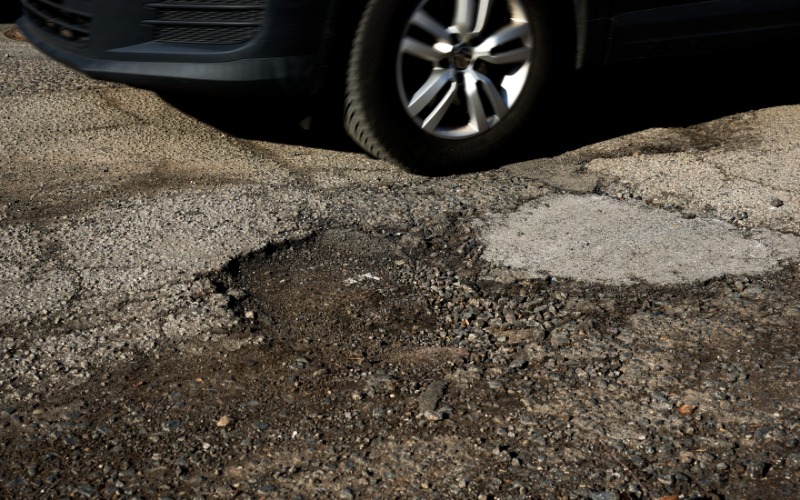
Vibration exams place connectors on motion tables that copy road abuse. Lab crews monitor terminal contact during the full cycle. Shock reviews add sudden force to mimic potholes or collision impact.
Loose pin fit usually shows up fast during this phase. Intermittent faults may appear, too. Techs hate electrical faults that vanish during diagnosis, then return later. Strong connector retention helps cut down on that nightmare.
Forklift repairs offer a solid example here. Forklifts slam across warehouse floors all day. Constant jolts punish electrical systems hard. Durable connector shells and tight terminal locks stand up far better in that environment.
#4 Water Intrusion Checks
Water ranks near the top of connector killers. Rain, slush, road spray, and car wash exposure attack electrical systems nonstop. Once moisture slips inside, corrosion starts its slow attack on metal terminals.
Water exams spray connectors under pressure or place parts under shallow water depth for a set time. After exposure, crews inspect seals and test electrical flow. A quality connector blocks moisture and keeps stable contact.
Tail light systems show this issue all the time. One weak seal can trigger dim lamps, warning lights, or blown fuses. Collision repair centers pay close attention to sealed connector quality after rear-end damage repairs.
Dust protection also matters in dry climates and work truck use. Dirt buildup inside a connector may block terminal contact or wear down pins over time. Sealed designs help cut down on that risk.
#5 Salt Spray Corrosion Tests
Road salt destroys weak metal parts fast. Corrosion can spread through terminals and ruin signal flow long before the connector shell shows visible damage. Salt spray exams coat connectors in a salty mist for long spans inside test chambers. After exposure, crews inspect rust levels, plating wear, and terminal condition. Better terminal coatings resist damage far longer.
This test carries huge value for plow trucks, utility fleets, and coastal vehicles. Ocean air creates corrosion trouble, too. Shops that install low-grade connectors may face repeat electrical faults within months. Strong corrosion resistance keeps circuits stable and helps techs avoid repeat labor on the same harness area, which adds real value for busy repair facilities.
#6 Terminal Retention and Pull Force Exams
A connector shell means little if wires pull loose too easily. Terminal retention exams check how firmly pins stay firmly locked inside the housing. Pull force reviews check wire strength after crimp work. Lab crews apply force to wires and terminals with calibrated tools. Weak crimps or poor shell locks show failure fast. Good connectors hold strong under pressure.
#7 Electrical Performance Reviews
Every connector must carry stable voltage and signal flow. Resistance exams measure how much electrical flow slows across terminal contact points. High resistance leads to heat buildup and poor circuit function.
Current load exams push electrical flow through the connector for long spans. Lab staff then inspect temp rise and contact stability. Reliable terminals stay cool and stable during the full cycle.
Sensor systems depend on clean signal transfer. Modern vehicles use dozens of sensors for fuel control, brake systems, and safety features. Poor contact quality can throw off data and trigger warning lights across the dash. Repair shops don’t want random electrical faults after harness repair work. Stable electrical performance helps cut down on wasted diagnostic time and repeat visits.
#8 Fit and Mating Cycle Exams
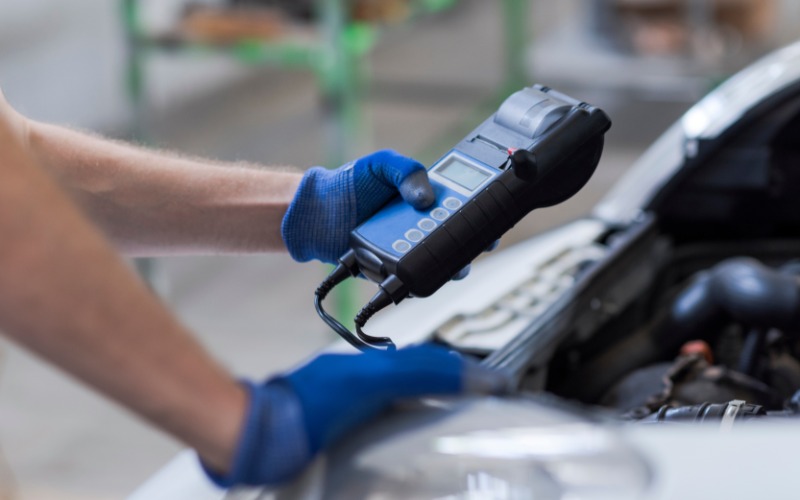
Another important stop on the list of critical tests for automotive connector quality are fit and mating cycle exams. Connectors face repeated disconnect and reconnect cycles during vehicle life. Techs unplug parts during diagnosis, collision repair, or engine work. Weak shells may loosen after repeated use.
Mating cycle exams test connector durability through repeated insert and disconnect action. Lab crews inspect latch strength, terminal wear, and shell damage afterward. A durable connector keeps tight fit through the full cycle count.
Loose fit creates plenty of trouble in older vehicles. Vibration can shake apart weak connectors over time. Secure latch systems help prevent sudden disconnect issues on the road.
Find Quality Connectors Today
As you shop for reliable products like a 5-wire pigtail connector, it’s important to seek reliable suppliers. A good supplier will help you find fully tested connectors for your application. Every test above targets a real problem that repair shops face every week. Heat, cold, salt, water, vibration, and wire stress all attack vehicle electrical systems from different angles.
A connector built with poor material quality may pass a quick visual check, but fail after real road abuse hits hard. If your team needs durable connector options for cars, trucks, forklifts, or heavy equipment, start seeking parts built for tough repair work. Stock your shelves with connector products built for long road life and keep your next repair job on track.