
8 Key Features To Compare in Modern Automotive Connectors

Choosing the right connector can shape how a repair holds up over time. A poor match can lead to loose connections, voltage drops, or repeat visits to the same job. That’s why taking a closer look at design details pays off before anything goes under the hood. This guide walks through the key features to compare in modern automotive connectors so you can sort through options with confidence. Review these factors for more efficient installations and longer-lasting connections.
#1 Material Quality
Material choice sets the tone for how a connector performs over time. Plastics vary in heat tolerance, and metals differ in conductivity and corrosion resistance. A connector built with low-grade material may crack under heat or lose contact strength after repeated use.
For example, under-hood environments expose connectors to high temperatures and chemical exposure. A connector housing that handles that stress will last longer and maintain shape. Terminals with quality plating resist corrosion, which keeps electrical flow steady. That stability matters when you deal with sensors or control modules.
#2 Sealing and Environmental Protection
Sealing protects connections from water, dirt, and road debris. Without proper sealing, moisture creeps in and causes corrosion or short circuits. Many modern connectors include rubber gaskets or weather seals that block contaminants.
Think about a vehicle that sees snow, salt, and rain year-round. A sealed connector prevents those elements from interfering with electrical signals. This becomes even more relevant for exterior lighting or undercarriage components. A strong seal reduces long-term failure rates and keeps systems reliable.
#3 Terminal Design and Contact Integrity
Terminal design plays a direct role in how well electricity flows through a connector. A tight, stable connection avoids resistance that can lead to heat buildup or signal loss. Loose terminals create inconsistent performance, which can show up as intermittent faults.
High-quality terminals maintain consistent pressure between contact points. This pressure keeps the electrical path stable, even under vibration. In real-world use, that means fewer flickering lights or sensor errors. A well-designed terminal setup supports both durability and performance.
#4 Locking Mechanism
A secure locking system keeps connectors in place once installed. Vehicles experience constant movement, so connectors need a firm hold that resists vibration and accidental disconnection. A weak latch can lead to loose connections over time.
Modern designs include secondary locks or reinforced clips that add extra security. These features give you confidence that the connector stays put after installation. In a busy shop environment, that reliability saves time since you won’t revisit the same connection. It also adds peace of mind for the end user.
#5 Compatibility and Application Fit
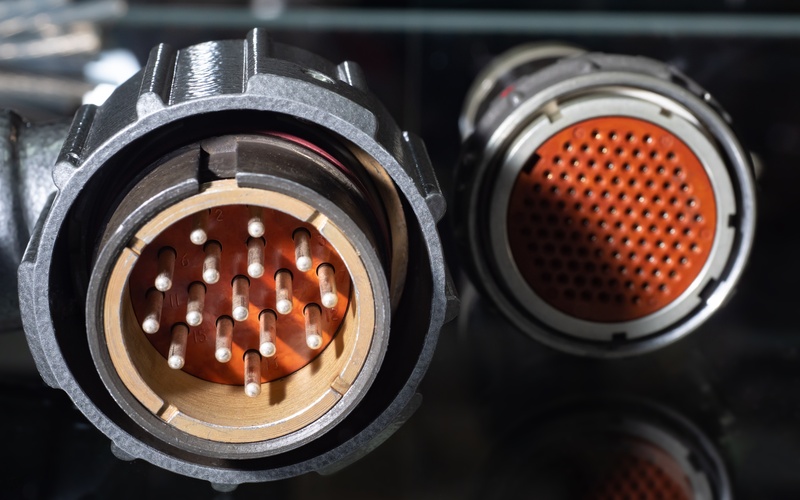
Compatibility extends beyond external appearance. Internal pin configuration, wire gauge capacity, and system requirements must all align with the intended application. A connector that appears correct may still fail if these details do not match.
Connector Experts focuses on supplying connectors that are not commonly available through typical retail channels. This allows technicians to locate exact-fit solutions without modification. For example, you can shop for a wide assortment of 2-wire electrical connectors online. Proper fitment reduces installation time and helps maintain the integrity of the vehicle’s wiring system.
Using a connector that fits correctly also reduces the risk of future issues. There is no need for forced adjustments or temporary fixes, which can introduce new failure points. A precise match supports both performance and long-term reliability.
#6 Current and Voltage Capacity
Each connector is accurately designed to handle a specific electrical load. Using a connector outside its rated capacity can lead to overheating, insulation damage, or complete failure. Matching the connector to the circuit’s requirements supports safe and reliable operation.
High-current applications, such as power distribution systems, require connectors with larger terminals and robust materials. These connectors are built to handle increased electrical demand without compromising performance. Lower-current circuits, such as sensors or communication lines, rely on precision and stable signal transmission.
Selecting the correct rating prevents unnecessary strain on the connector. It also helps maintain consistent system performance. When evaluating connectors, understanding the electrical demands of the application is critical.
#7 Ease of Installation and Serviceability
Installation efficiency plays a major role in productivity. Connectors with clear alignment features reduce the chance of incorrect placement. Keyed designs guide proper installation and prevent mismatched connections, which helps avoid troubleshooting later.
Serviceability is equally valuable. A connector that can be removed without damage supports future diagnostics and repairs. Technicians benefit from designs that allow straightforward disconnection and reinstallation. This reduces wear on surrounding components and keeps maintenance tasks manageable.
In busy shop environments, time savings from easier installation and service access can add up quickly. A connector that supports efficient workflow contributes to better overall performance and fewer complications during repairs.
#8 Resistance to Vibration and Mechanical Stress
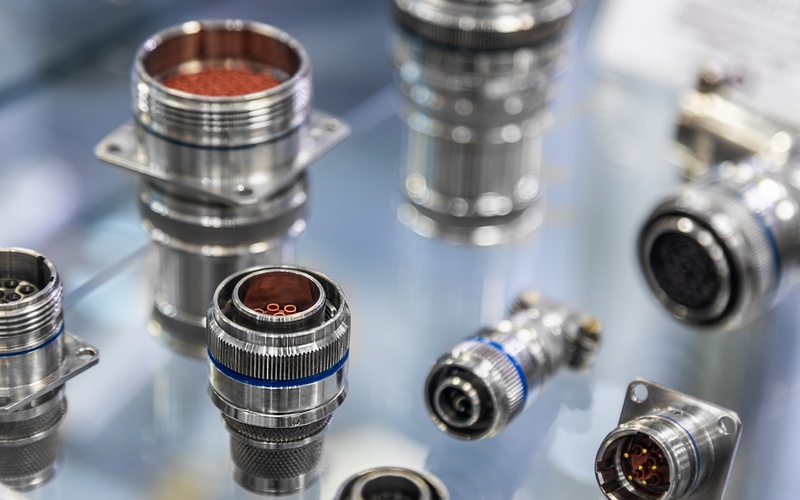
Vehicles operate under constant vibration and mechanical stress. Connectors must maintain both structural integrity and electrical contact under these conditions. Weak designs may loosen, crack, or degrade over time.
Durable connectors use reinforced housings and stable terminal retention systems. These features help maintain a consistent connection despite repeated movement. Areas such as engine compartments, suspension zones, and heavy-duty equipment place additional demands on connectors.
How These Features Work Together
Each of these features contributes to the overall performance of a connector. Material quality supports durability, while sealing protects against environmental exposure. Terminal design and locking mechanisms influence how stable the connection remains during operation.
Compatibility and electrical capacity determine whether the connector suits the application. Installation efficiency affects workflow, and resistance to stress supports long-term reliability. When you evaluate these factors together, they provide a complete understanding of connector performance.
Looking at only one feature in isolation can lead to incomplete decisions. A connector may perform well in one area but fall short in another. Perform a balanced evaluation to identify connectors that deliver consistent results across all conditions.
Choosing the Right Connector for the Job
Technicians who apply this level of attention to connector selection will likely see fewer repeat issues. This leads to smoother workflow and more reliable repairs across different vehicle systems. Connector selection requires more than a quick visual match.
Each feature plays a role in how well the connector performs over time. Use what you’ve learned from each of these key features to compare in modern automotive connectors when evaluating options for your next repair. A careful approach at the start supports stronger connections, fewer failures, and more consistent results.