
Dos and Don’ts of Handling Weather-Sealed Plug Connectors
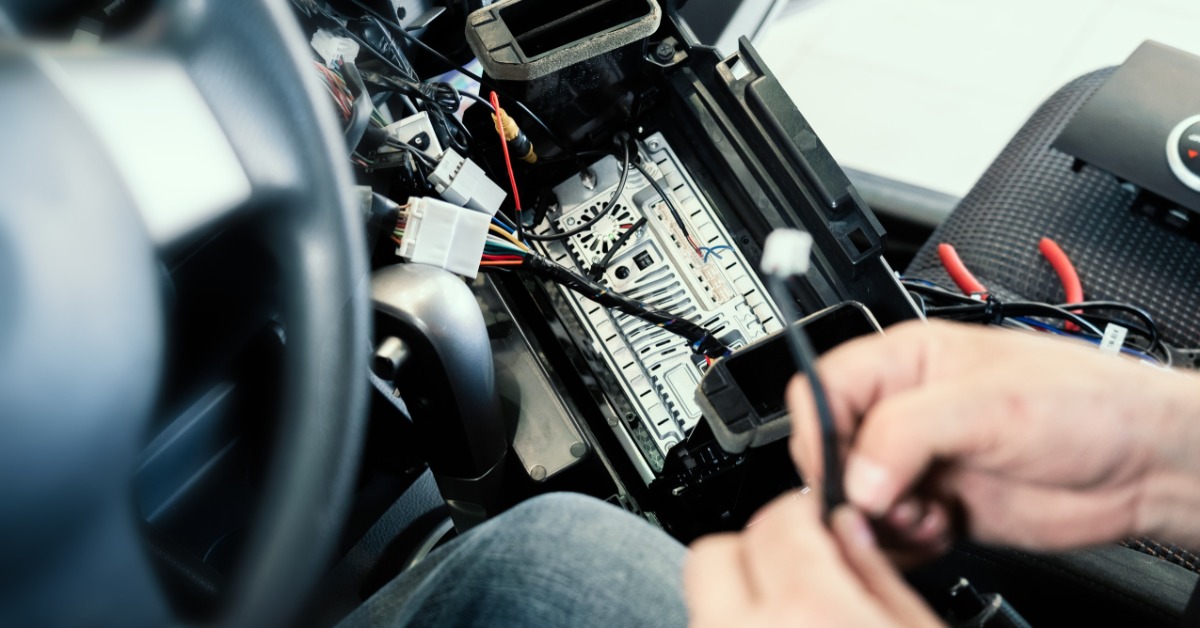
Weather-sealed plug connectors play a major role in modern vehicles. They guard electrical systems from water, dirt, and road debris, which helps maintain steady performance in harsh conditions. Still, even a well-built connector can fail if handled the wrong way.
A little care goes a long way, and that’s where this guide comes in. As you work through repairs or installations, keep these best practices in mind and apply them right away to avoid unnecessary setbacks. Let’s dive into the dos and don’ts of handling weather-sealed plug connectors.
Why Weather-Sealed Connectors Demand Care
These connectors rely on tight seals, locking tabs, and precise alignment. Each part works together to block out moisture and contaminants, which keeps electrical systems stable. Once that seal breaks or shifts out of place, the connector becomes vulnerable to outside conditions. Picture a truck that runs through heavy rain and muddy roads; one poorly handled connector can allow water to creep inside and trigger corrosion. Eventually, that small issue can turn into a full electrical failure, leading to additional repair costs and downtime.
The Dos of Handling Weather-Sealed Plug Connectors
Plug connector best practices are critical to keeping your system intact. Take a closer look at the dos of handling weather-sealed plug connectors to ensure the right results every time.
Handle With Steady, Controlled Force
A steady hand goes a long way during connector work. Always apply even pressure during installation or removal since uneven force can throw off alignment or damage internal components. It helps to grip the connector body instead of the wires and protects the internal crimp while keeping the connection secure. Pulling straight apart instead of at an angle also reduces strain on the pins and housing. When everything lines up correctly, the connector should click into place with a firm, controlled push.
Keep Connectors Clean Before Use
Clean surfaces support proper contact and sealing. Before installation, take a moment to inspect both sides of the connector and remove any dust or debris that may have built up. A quick pass with compressed air can clear out small particles, and a clean cloth works well for wiping down surfaces. Even minor residue can interfere with how the seal sits and may allow moisture to enter later. A clean connector creates a tighter seal and supports long-term performance.
Inspect Seals and Gaskets
Rubber seals act as the main barrier against moisture, so their condition matters more than many expect. These seals can dry out, crack, or shift out of position due to exposure and wear. A quick visual check can reveal signs of damage or uneven placement within the connector housing. When a seal looks worn or out of place, replacement should happen before installation. That small step can prevent larger issues once the vehicle returns to the road.
Use Proper Tools When Necessary
Some connectors include secondary locks or specialized release mechanisms that require the right tools. Trying to force these components apart without proper equipment can damage clips or bend terminals. Using the correct tool allows you to follow the intended release process and protects the connector from unnecessary stress. It also helps speed up the job since you avoid dealing with broken parts afterward. A careful approach with the right tools leads to cleaner, more reliable results.
Store Connectors in a Protected Space
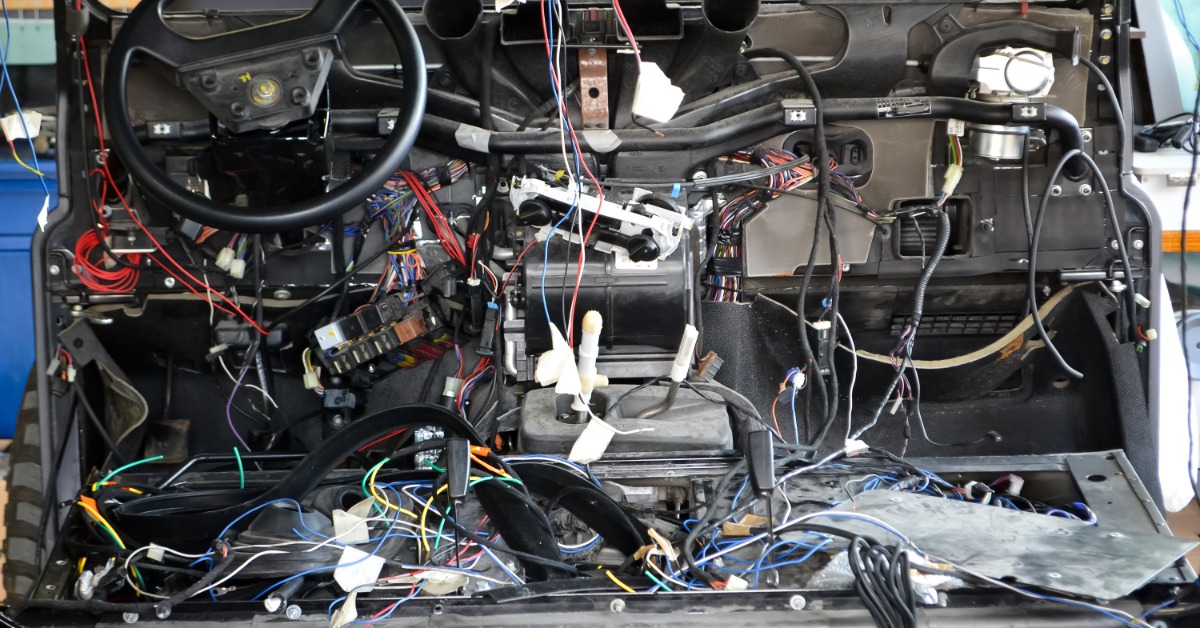
Storage conditions play a bigger role than many realize. You can find various 3-wire pigtail connectors right now, and one thing that each design shares is a necessity for good storage when not installed. Connectors that sit in damp or extreme environments can degrade before they ever reach a vehicle.
Keeping them in sealed containers within a dry, temperature-controlled space helps preserve their condition. Avoid placing heavy objects on top of connectors since pressure can distort housings or seals. Proper storage keeps each part ready for installation without extra preparation.
The Don’ts of Handling Weather-Sealed Plug Connectors
Knowing what mistakes you should avoid is equally as important as knowing the best practices to follow. Let’s break down what you should not do when handling weather-sealed plug connectors.
Don’t Pull on the Wires
Pulling on wires instead of the connector housing creates stress where the wire meets the terminal. Over time, that stress can loosen the crimp or cause internal damage that isn’t visible right away. This type of issue may lead to intermittent faults that are difficult to diagnose. Holding the connector body keeps the wiring intact and prevents unnecessary strain. A simple habit like this can save hours of troubleshooting later.
Don’t Force a Connection That Won’t Fit
Resistance during installation usually signals a problem. Forcing a connector into place can bend pins, crack the housing, or damage the sealing surface. It’s better to pause and check alignment, confirm compatibility, and look for debris that may block the connection. A properly matched connector should slide together with minimal effort and then lock securely. Taking a moment to reassess avoids costly damage.
Don’t Ignore Minor Damage
Small defects can turn into larger problems over time. A cracked housing may allow moisture to enter, and a slightly bent pin can interrupt electrical flow. These issues might not show immediate symptoms, yet they tend to worsen as the vehicle operates. Addressing minor damage early prevents repeat repairs and protects surrounding components. A quick fix now saves time and effort down the line.

Don’t Skip the Locking Mechanism
Locking features keep connectors secure under vibration and movement. If the lock doesn’t engage fully, the connection will easily loosen during operation. After installation, a gentle tug can confirm that the connector stays in place. When the lock fails to click, reseating the connector usually resolves the issue. Taking that extra second helps maintain a stable connection in demanding conditions.
Don’t Expose Open Connectors to the Elements
Leaving connectors exposed during a repair invites contamination. Dirt, moisture, and debris can settle into the contact points even during a short delay. Covering open connectors with protective caps or wraps helps keep them clean until installation is complete. This habit supports better contact and reduces the risk of corrosion. A small precaution like this helps maintain connector reliability.
When the steps above become part of your routine, you reduce repeat repairs and avoid unnecessary complications. This full overview of dos and don’ts of handling weather-sealed plug connectors highlights how small actions lead to dependable results. Take the next step by applying these practices during your next repair and choose components that support long-term reliability.