
How Connector Geometry Affects Harness Routing
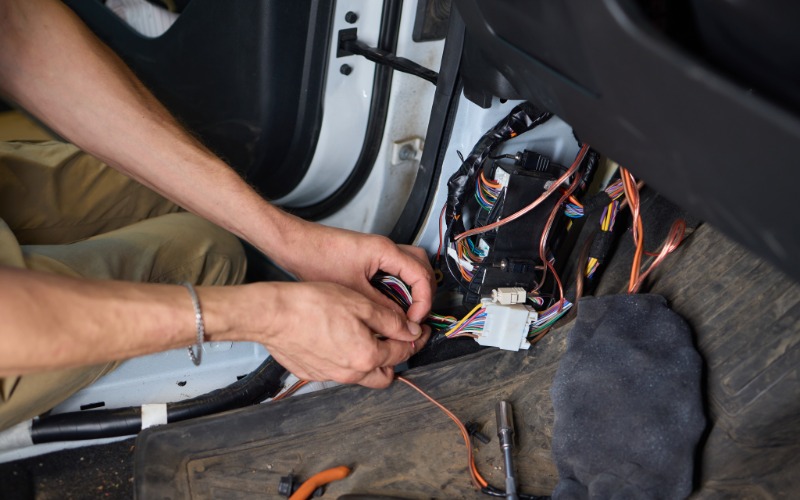
In any vehicle electrical system, connectors do more than join wires. Their shape, size, and layout affect how a harness fits, bends, and holds up over time. When geometry gets overlooked, routing turns into a headache fast.
Taking a closer look at connector geometry helps avoid those frustrations. Stick with this guide and you’ll gain a clearer path toward cleaner routing and longer-lasting results. How connector geometry affects harness routing isn’t just theory—it shows up in every installation.
Why Geometry Matters More Than You Think
Connector geometry shapes the path a harness takes from point A to point B. A bulky housing forces wider routing paths, which can crowd already tight engine bays. On the flip side, compact connectors allow tighter, cleaner runs.
Orientation also plays a role. Straight connectors push wiring outward, which may clash with nearby components. Right-angle connectors shift direction immediately, which helps in confined areas.
This becomes especially noticeable in modern vehicles. Systems pack more electronics into smaller spaces, which leaves little room for error. A poorly chosen connector forces awkward bends, and those bends create strain over time. Professionals who work with advanced systems know this already. Clean routing isn’t about looks alone—it supports durability and serviceability.
Connector Shape and Harness Flow
Not all connectors follow the same shape. Some use rectangular housings, while others rely on circular or oval designs. Each option affects how the harness flows through a vehicle.
Rectangular connectors tend to align well with flat surfaces. They sit flush against panels or brackets, which helps reduce movement. That stability keeps wires from shifting under vibration.
Circular connectors offer flexibility in orientation. They can rotate slightly during installation, which helps when space feels limited. That flexibility can ease installation but may require extra care to prevent unwanted movement later. Low-profile connectors deserve attention, too. These designs reduce height, which allows routing under tight clearances, such as dashboards or engine covers.
Pin Layout and Wire Exit Direction
The internal layout of a connector dictates how wires exit the housing. That exit direction sets the tone for the entire harness path. Inline pin layouts push wires straight out. This works well in open areas but creates challenges in tight corners. When space runs short, that straight exit leads to sharp bends immediately after the connector.
Staggered or angled pin layouts guide wires at a slight angle. That small shift reduces stress on the wires and helps create smoother routing paths. Rear-exit versus side-exit designs also matter.
A rear-exit connector works best when space behind the connection remains open. A side-exit design suits tight rear clearances and allows the harness to hug nearby surfaces. Choosing the right configuration prevents unnecessary strain and reduces long-term wear.

Bend Radius and Stress Points
Every wire has a minimum bend radius. Connector geometry directly impacts how closely a harness approaches that limit. A connector that forces an immediate turn increases stress at the exit point. Over time, that stress weakens insulation and conductors. Failures frequently start at these exact locations.
Designs with built-in strain relief help manage this issue. They extend the transition between the connector and the wire, which spreads out the bend over a longer distance. In practice, this means fewer sharp turns and smoother curves.
That translates into longer harness life and fewer electrical issues. Installers who plan for bend radius early avoid rework later. It saves time and prevents repeat failures.
Space Constraints in Real-World Applications
Vehicle design leaves little extra room for wiring. Engine bays, dashboards, and door panels all compete for space. Connector geometry affects how well a harness fits into these environments.
A large connector may block access to nearby components or interfere with mounting points. Compact connectors help navigate these tight spaces. They allow routing closer to structural elements, which keeps the harness secure and out of the way.
This becomes even more relevant in collision repair settings. Replacement parts may not align perfectly with factory layouts. A well-chosen connector makes adjustments easier and reduces installation time. For shops and technicians, this translates into faster turnaround and fewer complications. That aligns with the needs of professionals who rely on dependable solutions.
Locking Mechanisms and Accessibility
You can choose from connectors for automotive wiring with various shapes and pin layouts, but that’s not the only way the designs differ. Connector geometry also includes locking features. Clips, tabs, and latches all affect how easily a connector installs and removes.
A bulky locking tab may require extra clearance for access. In tight areas, that can turn a quick job into a frustrating one. Low-profile locking systems reduce that issue and allow easier engagement.
At the same time, secure locking remains critical. A loose connection leads to intermittent faults, which can be difficult to diagnose. Designs that balance accessibility and security offer the best outcome. They allow quick installation without sacrificing reliability. This balance becomes especially valuable in high-vibration environments, such as engine compartments.
Routing Around Heat and Vibration Sources
Harness routing rarely follows a straight path. It must navigate around heat sources, moving parts, and vibration zones. Connector geometry influences how easily a harness avoids these hazards. A connector that forces a rigid path may push wires closer to hot components.
Flexible designs allow better positioning. They let the harness move away from exhaust systems or rotating assemblies. Vibration also plays a role.
A poorly positioned connector can act as a stress point. That stress will eventually lead to wear or failure. Proper geometry supports better placement, which reduces exposure to these risks. That leads to improved reliability across the entire system.

Final Thoughts on Connector Geometry and Routing
Every connector in your vehicle directly impacts how a harness performs. Shape, size, and orientation all influence routing, durability, and installation. Ignoring these factors leads to unnecessary complications. Paying attention to geometry leads to cleaner layouts and more reliable systems.
Understanding how connector geometry affects harness routing becomes clear once you see how each detail connects. Take a closer look at the connectors in your next project. Small adjustments can improve fit, reduce stress, and extend the life of the entire system.