
Ensuring Proper Torque on Connector Retention Clips
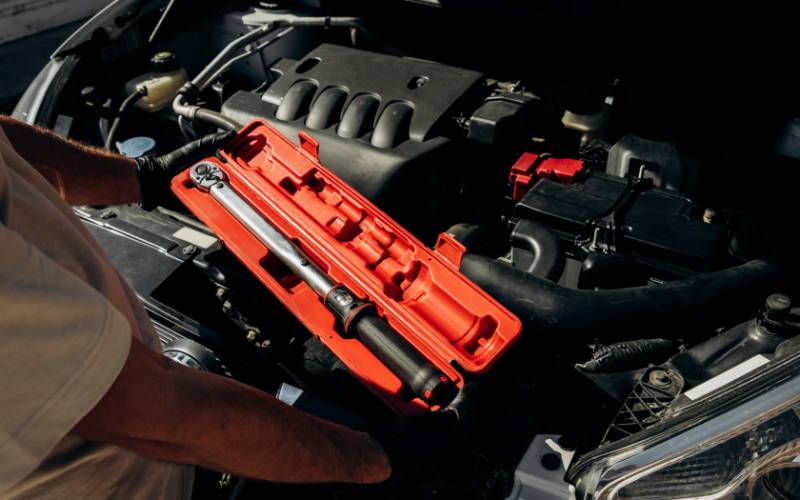
A solid electrical connection in a vehicle doesn’t come down to the connector alone. It also depends on how that connector stays in place once you install it inside your car or truck. Retention clips play a quiet but critical role, and torque applied to them can shape performance over time. If you’re working on repairs or installs, taking a closer look at this step can save time and frustration later. Stick with this guide and tighten up your process with confidence.
Why Torque Matters for Retention Clips
Ensuring proper torque on connector retention clips is critical to performance. Retention clips hold connectors in place under vibration, heat, and constant movement. Vehicles don’t operate in calm conditions, so every connection must handle stress without shifting.
Proper torque keeps that clip secure without damaging the connector housing. That balance is where reliability lives. Too little torque allows movement. Over time, that movement can loosen terminals or create poor contact between pins.
That leads to voltage drops, signal interruptions, or even corrosion buildup due to micro-movements. Too much torque brings a different set of issues. Plastic housings can crack, metal clips can deform, and terminals may misalign.
Once that happens, the connector might still “fit,” but performance won’t match expectations. Luckily, connector retention clips don’t require excessive torque to stay in place. These components are carefully designed to yield sturdy, reliable results after installation.
Common Problems Caused by Incorrect Torque
It’s easy to overlook torque during installation, especially in tight spaces. Still, the consequences tend to show up clearly after the job is done. Here are a few problems that come from poor torque control:
- Loose connectors that disconnect under vibration
- Intermittent electrical faults that are hard to trace
- Damaged clip tabs or broken housings
- Increased wear on terminals due to movement
- Moisture intrusion from poor sealing pressure
Each of these issues can lead to repeat repairs. That adds time, cost, and frustration for both mechanics and vehicle owners.
How to Determine the Right Torque
Not every connector uses the same torque value. Manufacturers design connectors with specific materials and tolerances, so the correct value depends on the application. The safest approach comes from following manufacturer specifications whenever available.
If specs aren’t listed, experience and careful handling come into play. As mentioned above, most retention clips don’t require heavy force. They rely on precise tension rather than brute strength. A calibrated torque tool can help maintain consistency across installs.
Pay attention to how the clip seats into place. A clean, firm fit without resistance usually signals proper alignment. If force feels excessive, something may be misaligned or obstructed.
Tools That Help Maintain Consistency
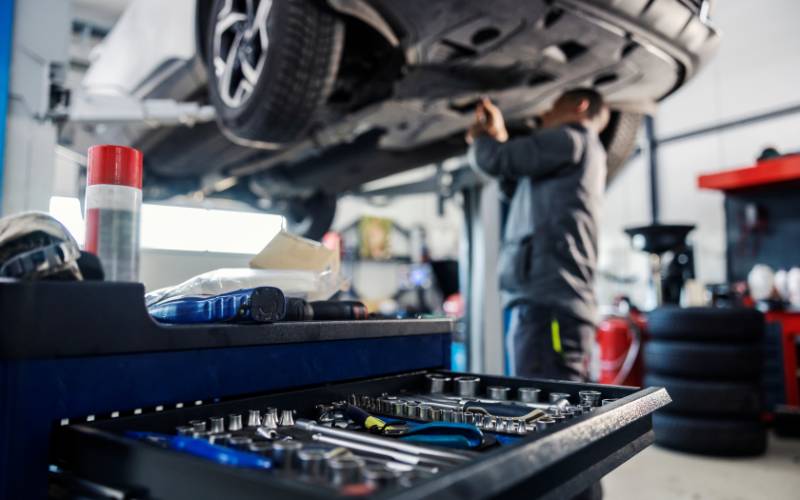
Using the right tools makes a noticeable difference in torque control. Hand-tightening might work in some cases, but it lacks repeatability. Over time, that inconsistency leads to uneven results. Consider adding these tools to your workflow:
- Torque screwdrivers for small fasteners
- Torque wrenches for larger clip assemblies
- Clip installation tools designed for specific connectors
- Inspection lights for better visibility in tight areas
These tools don’t just improve accuracy. They also reduce the chance of damaging components during installation.
Installation Tips That Improve Results
Getting torque right starts before the clip ever gets tightened. Preparation plays a role in how well the connector performs after installation. A few simple habits can go a long way.
First, check the connector and clip for damage before use. A cracked housing or bent clip won’t seat correctly, no matter how carefully you apply torque. Replacing damaged parts upfront saves time later.
Next, align the connector fully before securing the clip. Misalignment leads to uneven pressure, which can stress both the clip and the housing. Once accurately aligned, apply torque gradually rather than all at once. Finally, avoid rushing the process. A steady, controlled approach leads to better results than quick tightening.
Environmental Factors That Affect Torque
Vehicles operate in a wide range of conditions. Temperature shifts, moisture, and vibration all influence how connectors behave over time. These factors can impact how torque holds up after installation.
Heat expansion can loosen connections if you don’t correctly set the torque. Cold conditions can make materials more brittle, which increases the risk of cracking under excess force. Moisture exposure can weaken connections if clips don’t maintain proper pressure.
Balancing Speed and Precision in Repairs
If you want your repairs to hold up under real-world conditions, this step deserves attention. Ensuring proper torque on connector retention clips supports stronger connections and fewer headaches down the road. It’s a detail that pays off every time the vehicle hits the road.
In a busy shop, speed matters. Jobs need to move, and efficiency keeps everything on track. Still, rushing through connector installation can lead to setbacks that take more time to fix later.
Finding a balance between speed and precision comes down to workflow habits. Building torque checks into your process keeps quality high without slowing things down too much. Consistency across repairs also builds trust. Customers notice when fixes hold up, and that reliability starts with attention to detail.

Choosing Quality Connectors and Clips
The components you use influence how well torque performs in the first place. Low-quality connectors may not hold tension properly, even with correct torque. That can lead to premature wear or failure.
Working with reliable sources helps reduce that risk. Browse the quality connectors online, such as modern 10-pin electrical connectors, to find solutions you can depend on after a secure installation. When the connector fits correctly, torque can do its job as intended. That combination leads to longer-lasting repairs.
Long-Term Benefits of Proper Torque Practices
Taking the time to apply correct torque pays off in several ways. Repairs last longer, which reduces repeat visits. Electrical systems stay stable with proper torque, which improves overall vehicle performance.
It also protects other components. A secure connector reduces strain on wiring and terminals, which helps extend their lifespan. That kind of reliability builds confidence in your work.
Getting torque right on retention clips doesn’t require complex steps. It comes down to awareness, the right tools, and a steady approach. Once those habits take hold, results improve across the board. Take a moment on your next repair to focus on this step. Small adjustments here can lead to better outcomes across the entire job.