
Key Factors in Selecting High-Amp Car Power Connectors

High-amp power connectors sit at the center of many vehicle electrical systems. Performance parts, aftermarket audio, auxiliary batteries, winches, and lighting all depend on reliable current flow. A weak or poorly matched connector can lead to voltage drop, heat buildup, or system failure.
Mechanics and vehicle owners who work with electrical upgrades know that connector choice has a direct effect on reliability. If you plan a vehicle upgrade or repair that involves high current, take time to review the key factors in selecting high-amp car power connectors before final installation.
Current Capacity and Electrical Load
Vehicle electrical systems have evolved far beyond basic lighting and starter circuits. Modern builds include power-hungry accessories that draw far more current than factory wiring once handled. A large amplifier, dual battery setup, or heavy-duty winch can push hundreds of amps through a single connection point.
That level of electrical load demands connectors showcasing top-tier durability, heat resistance, and stable contact pressure. The right connector choice protects equipment and prevents costly troubleshooting later.
The first element to review involves the current rating of the connector. Each connector design supports a specific amp range based on contact material, surface area, and terminal structure. A connector rated below system demand may overheat or degrade after repeated use. Heat buildup leads to resistance increases, which reduce efficiency and place stress on surrounding wiring.
A good rule involves selecting a connector with headroom beyond the maximum draw of the circuit. For example, a winch circuit that pulls 250 amps should connect through a component rated well above that figure. That margin helps maintain stable performance during heavy use. Mechanics rely on this approach in performance and off-road builds where electrical demand fluctuates.
Contact Material and Conductivity
Connector contacts transfer current between wires and components. Material choice has a direct effect on conductivity and durability. Copper alloys dominate high-amp automotive connectors because they balance strength with electrical performance. Many manufacturers also apply plating, such as tin or silver, to protect the surface and maintain consistent conductivity.
Surface quality matters because corrosion or oxidation increases resistance. Higher resistance produces excess heat and reduced current flow. Quality connectors use durable plating that withstands vibration, temperature shifts, and environmental exposure. That construction helps maintain consistent electrical contact across long service intervals.
Terminal Fit and Contact Pressure
A strong electrical connection depends on tight contact between terminals. Loose connections introduce resistance and heat buildup that lead to failure under high current. Connector designs that maintain constant pressure across contact surfaces provide greater reliability in demanding automotive systems.
Spring-loaded contacts or compression-style terminals help preserve that pressure. Vibration from road use places constant stress on electrical components. A connector with poor terminal retention may loosen over time. Secure contact design protects the circuit and reduces the risk of electrical faults.
Heat Resistance and Thermal Stability
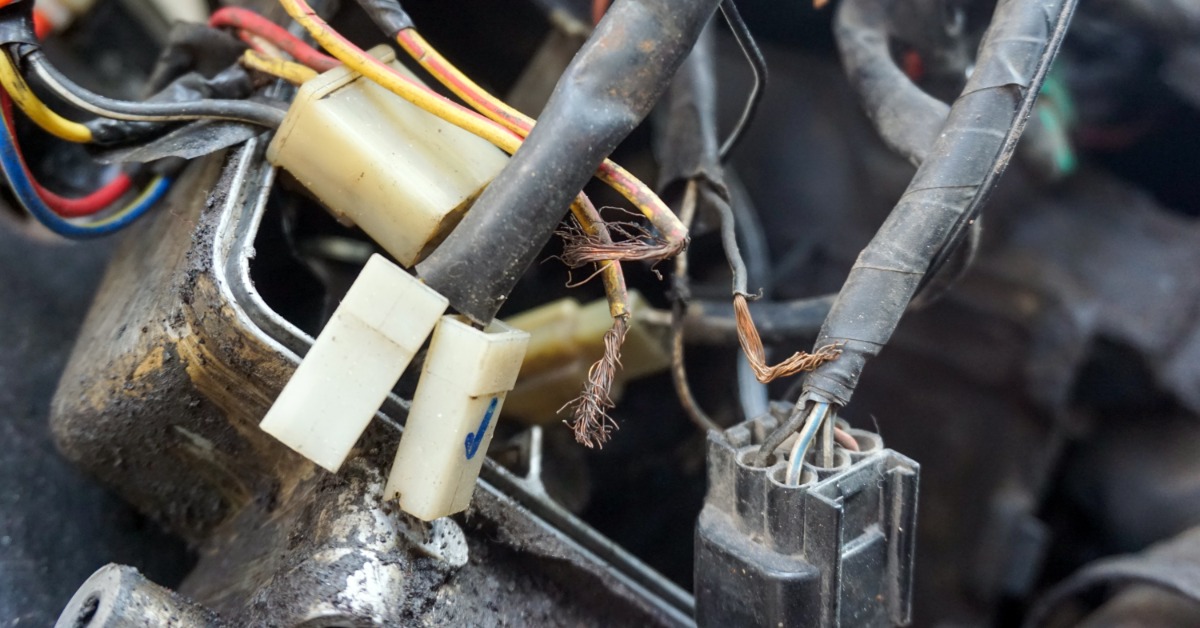
High current generates heat inside any electrical connection. A connector body must tolerate elevated temperatures without deformation or material breakdown. Automotive environments also expose connectors to engine bay heat, temperature swings, and heavy electrical load cycles.
High-quality connectors use thermoplastic housings designed for elevated temperature environments. These materials maintain structure and insulation properties across wide temperature ranges. When a connector housing resists thermal stress, the electrical contacts inside remain aligned and protected.
Environmental Protection
Vehicles operate in harsh environments that expose electrical components to moisture, dust, and road debris. A connector that lacks protection from contaminants may fail even when electrical ratings meet system demand. Water intrusion or debris buildup disrupts electrical contact and accelerates corrosion.
Weather-sealed connectors prevent these issues through integrated seals and protective housings. Rubber gaskets or silicone seals block moisture entry and maintain a stable interior environment. This type of protection proves valuable for under-hood installations, off-road vehicles, and work trucks.
Connector Size and Design
Electrical capacity alone does not determine connector performance. Physical design also affects installation, service access, and cable management. High-amp connectors must support thick gauge wire without excessive strain on the terminal or housing.
Compact designs help preserve space in crowded engine bays or battery compartments. Larger connectors may provide greater current capacity, but require more installation space. Mechanics typically balance these two considerations based on the layout of the vehicle electrical system.
Locking Mechanisms and Connection Security
High current circuits require connectors that remain secure under vibration and movement. A connector that disconnects under load can cause arcing or system failure. Automotive connectors use various locking designs to prevent accidental separation.
Latch systems, clip locks, or secondary retention features keep connectors firmly engaged. These mechanisms provide both physical stability and electrical reliability. A strong lock also supports safe maintenance since technicians can disconnect components without damaging terminals.

Compatibility With Automotive Wiring
Connector compatibility with wire gauge and insulation type also plays a large role in system reliability. High-amp circuits rely on heavy-gauge cable, which requires terminals that fit thicker conductors. A poorly matched terminal may create weak contact or mechanical strain.
Manufacturers typically publish recommended wire gauge ranges for each connector type. Mechanics follow these guidelines to maintain optimal electrical contact and strain relief. Proper cable support reduces stress on the connector and helps maintain long-term durability.
Application Type and System Demand
The key factors in selecting high-amp car power connectors apply to various applications. Vehicle electrical upgrades vary widely from one build to another. A high-performance audio system requires different connector traits than a heavy-duty winch or auxiliary battery bank. Each application brings unique electrical loads and environmental conditions.
Work trucks, off-road vehicles, and fleet equipment face heavy vibration and harsh environments. Passenger vehicles with custom electronics may prioritize compact connectors and clean cable routing. The best connector choice reflects the exact electrical demands of the system.
Why These Elements Matter
Every electrical system upgrade relies on dependable current transfer. High-amp circuits place stress on connectors through heat, vibration, and heavy electrical load. When connector design matches the demands of the application, the entire system performs with greater stability.
Mechanics who evaluate connector ratings, materials, environmental protection, and physical design gain better long-term results from vehicle electrical upgrades. A thoughtful component choice reduces voltage loss, prevents overheating, and protects expensive equipment connected to the circuit.
Take time to review component specifications and select reliable parts, such as 8-pin connectors, that are specifically built for automotive environments. The right connector supports both performance and durability across years of service. A trusted automotive connector supplier can guide that process and help locate specialized connectors that standard parts stores rarely carry.