
Locking Features in 5-Cavity Connectors Explained
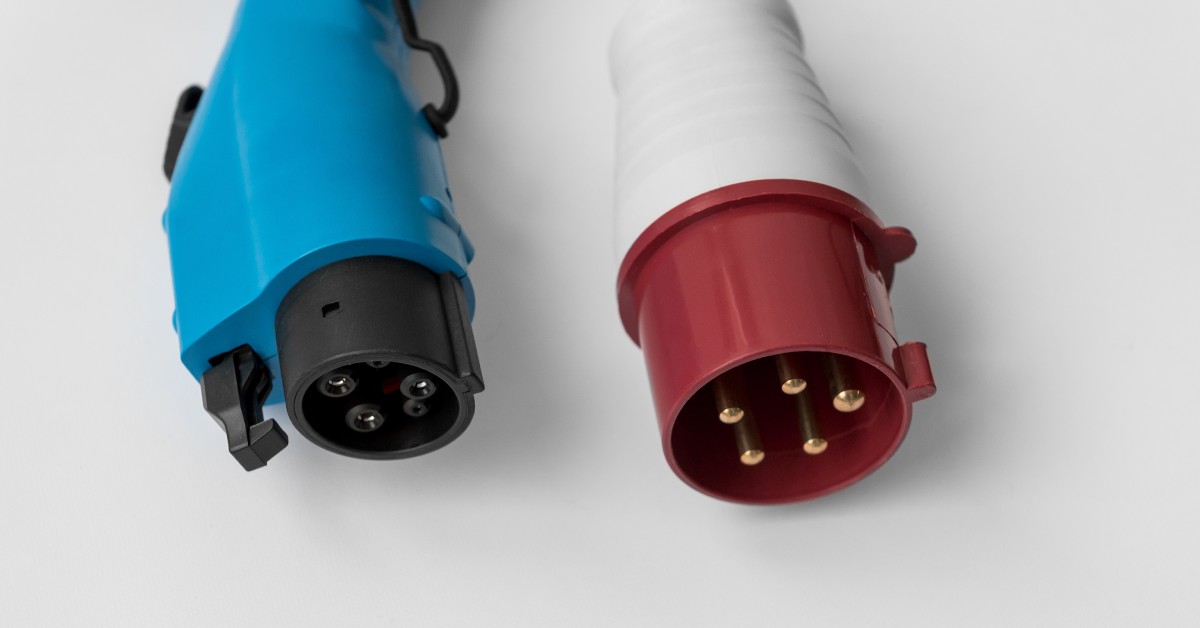
Electrical connectors are the unsung heroes of countless applications, from industrial machinery to automotive systems. When your design requires a multi-pin solution, understanding the nuances of its components is critical. That's why we're providing a deep dive that explains locking features in 5-cavity connectors. This guide will dissect the mechanisms that keep your connections secure and reliable.
The Foundation of a Secure Connection
Connectors do more than just complete a circuit; they must maintain that connection against physical stress. Vibration, shock, and accidental pulls can all lead to intermittent or total failure. The locking feature is the primary defense against these forces. It is the component responsible for a stable and continuous electrical link.
A 5-cavity connector provides five separate points for electrical pathways. This setup is common in complex sensor arrays, control modules, and power distribution units where multiple signals must travel through a single interface. Each cavity holds a terminal, and the security of the entire assembly depends on how well the two halves of the connector, the plug and receptacle, hold together.
Without a robust lock, the two connector halves could de-mate, or partially separate. This separation would compromise one or all of the five electrical circuits. The consequences range from data loss in a communications system to a complete shutdown of a critical piece of equipment. Therefore, the design of the lock is not a secondary thought; it is central to the connector's performance.
Types of Locking Mechanisms
Connector designers have developed several clever methods to keep connectors mated. Each type offers a different balance of security, ease of use, and resistance to environmental factors. Let's look at some of the most prevalent designs you will encounter with 5-cavity connectors.
Latching Locks
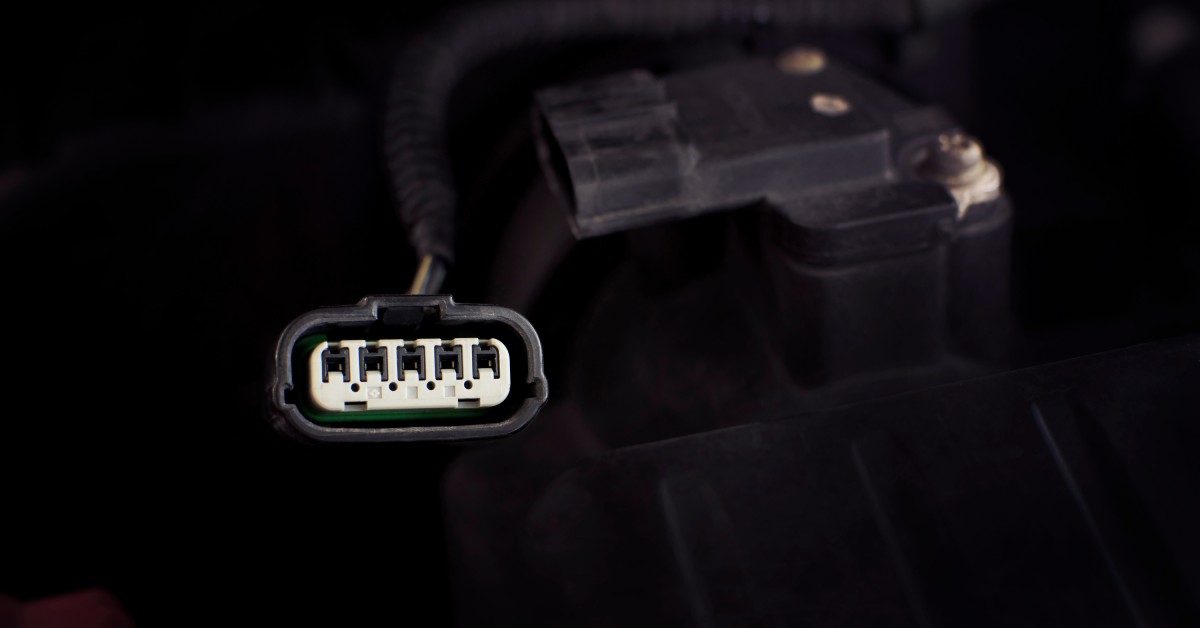
A latch is one of the most common locking styles. This mechanism typically involves a flexible arm on one connector half that snaps over a molded feature or tab on the other. You can feel and sometimes hear a distinct "click" when the connection is secure. This tactile and audible feedback gives a technician confidence that the connector is properly mated.
For example, imagine a connector on an automotive engine sensor. The latch must withstand constant engine vibration. A well-designed latch will have a strong retaining force to prevent it from loosening over time. To disengage it, a person usually needs to press a specific point on the flexible arm to release it from the catch, which prevents accidental disconnection.
Lever Locks
Lever locks provide a high mechanical advantage. This design is particularly useful for connectors that require a large amount of force to mate and un-mate. A lever is directly integrated into the connector housing. As you pivot the lever, it pulls the two halves of the connector together and securely locks them in place.
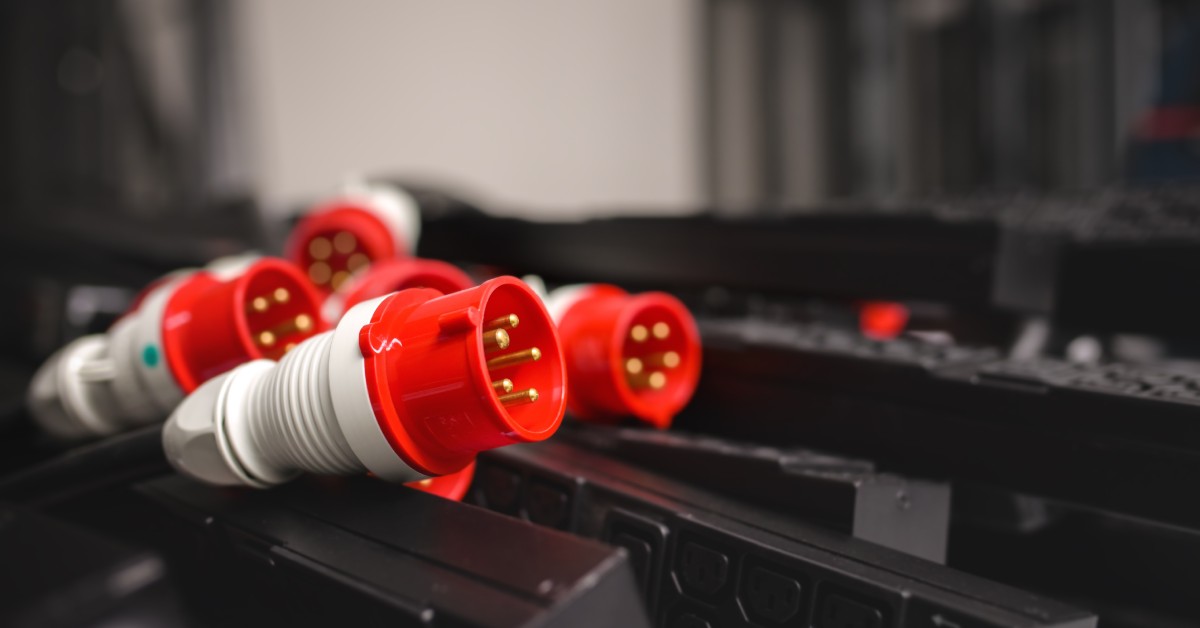
Think about a dense, multi-pin connector on a server rack. The high pin count creates substantial friction. A lever lock makes the technician’s job much easier. The lever action overcomes the insertion force with minimal effort and ensures all five cavities and their terminals align and connect perfectly. The reverse action pushes the connectors apart, which simplifies maintenance.
The flexibility of the plastic is a big factor for latching designs. The flexible arm must be able to bend thousands of times without stress fractures or fatigue. The material's formulation is carefully engineered to provide this durability. For lever-style locks, rigidity and strength are more desirable to handle the forces exerted during mating.
Push-Pull Locks
Push-pull connectors offer a quick and secure method for frequent connections and disconnections. The locking mechanism is internal to the connector housing. To mate the connector, you just push the plug into the receptacle until it clicks. The internal collet or set of ball bearings grips a groove on the receptacle. To un-mate it, you pull back on the outer sleeve of the plug housing, not on the cable itself. This action retracts the internal locking elements and allows the plug to be smoothly removed.
Secondary Locking Mechanisms
As you browse the 5-pin electrical connectors for sale online, you’ll notice they vary in certain ways, such as their shape. Not only do some 5-cavity connectors come in different shapes, but they also come with different backup locking mechanisms. These are redundant security measures that add another layer of protection. A common type is a Terminal Position Assurance (TPA) device.
A TPA is a separate piece that snaps into place after the terminals are fully inserted into the connector cavity. It has two functions. First, it ensures each terminal is fully seated. Second, it prevents the terminals from backing out of the cavity due to vibration or wire stress.
Another type is a Connector Position Assurance (CPA) device. This component is a small clip or slide that engages after you mate the two connector halves. The CPA locks the primary latch in place, preventing you from accidentally disengaging the connector. A technician must deliberately slide or remove the CPA before they can release the primary lock. This type of secondary lock is common in automotive safety systems.
Making the Right Choice for Your Application
Choosing a connector involves more than just matching the pin count. You must consider the operational environment. Will the connector be exposed to vibration, moisture, or extreme temperatures? Answering this question will help you determine the necessary robustness of the locking feature.
You should also assess the mating cycle requirements. Will the connector be mated once and left alone, or will it need frequent disconnection for maintenance or testing? A latch-style lock is great for "fit and forget" scenarios, while a push-pull or lever lock is better suited for high mating-cycle applications. Each design offers specific advantages for different use cases.
Finally, think about the human factor. Is the connector easily accessible, or is it in a tight, hard-to-reach space? A simple latch might be difficult to operate without a clear line of sight. In that case, a push-pull mechanism could be a more practical solution for the service technician. Having the locking features in 5-cavity connectors explained to you should empower you to select the optimal component for any project, which reduces future maintenance costs and boosts system integrity.
The security of your entire system can depend on the smallest component. A reliable 5-cavity connector with the right locking feature provides peace of mind and guarantees operational stability. To find the perfect connector for your needs, contact our experts or browse our extensive online catalog.