
Why Proper Sealing Matters in 2-Cavity Connectors
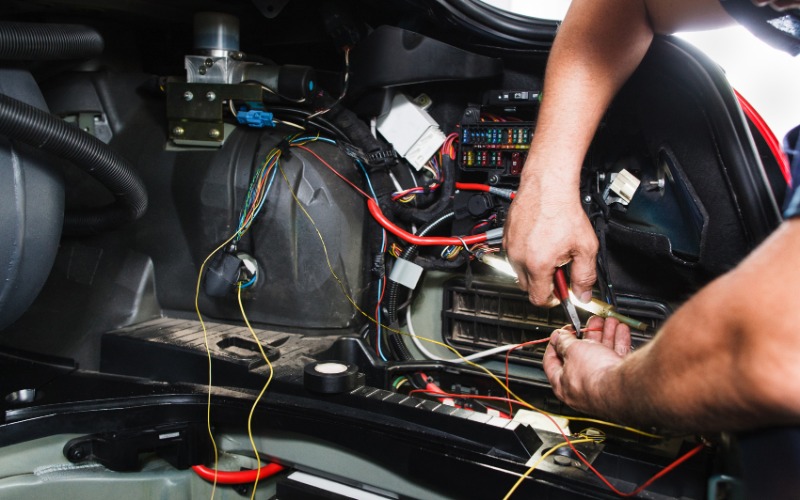
A small electrical connector can cause a surprisingly large headache when moisture reaches its terminals. From intermittent sensor faults to unexpected electrical failures, poor connector seals can create problems that take considerable time to diagnose. Even a two-wire connection deserves careful attention, especially in areas exposed to road spray, dirt, and temperature changes. Let’s take a walkthrough of why proper sealing matters in 2-cavity connectors so you can make dependable, precise fixes or installations.
Protects Electrical Terminals From Moisture
Water intrusion is one of the most common threats to automotive electrical connections. Rain, road spray, and condensation can reach exposed terminals and gradually compromise their condition. A properly sealed 2-cavity connector creates a protective barrier that limits moisture access to the contact surfaces.
Consider a connector near a vehicle's wheel well. Every trip through a puddle exposes nearby components to water and road debris. Without adequate seals, moisture can eventually reach the terminals and create electrical problems that aren't immediately obvious.
Reduces Corrosion and Terminal Damage
Corrosion can develop when moisture and contaminants reach metal terminals. As corrosion progresses, electrical resistance may increase, and the connection can become less dependable. Proper seals help preserve the contact surfaces and reduce exposure to conditions that encourage deterioration.
Road salt adds another concern, especially in regions with harsh winters. Saltwater can accelerate corrosion after it reaches vulnerable electrical components. Connectors near the undercarriage face particular exposure because they sit close to surfaces that collect contaminated water.
Once corrosion damages a terminal, surface cleaning won't necessarily restore its original condition. Severe deterioration may require terminal or connector replacement, so adequate protection from the start can save considerable repair time. Mechanics should inspect nearby wires for damage before completing the repair.
Maintains Consistent Electrical Performance
Automotive electrical circuits depend on stable connections between components. A 2-cavity connector may serve a sensor, actuator, lamp, or another device that requires dependable electrical continuity. Contamination inside the connector can interfere with terminal contact and cause inconsistent performance.
For example, a sensor circuit with a compromised connection might produce intermittent fault codes. The vehicle could operate normally during one test, then exhibit symptoms after exposure to moisture or vibration. These unpredictable faults can frustrate even experienced technicians.
Proper seals reduce the chance of contamination-related contact problems and help maintain reliable electrical communication throughout the circuit. They also help protect terminal surfaces from environmental exposure that could gradually degrade performance. This protection becomes especially valuable in circuits exposed to demanding road conditions.

Prevents Dirt and Debris From Reaching Contacts
Moisture isn't the only environmental threat automotive connectors encounter. Dust, sand, mud, and other debris can accumulate around electrical components, particularly in exposed engine compartments and underbody locations. A well-designed seal limits the entry of contaminants that could interfere with terminal contact.
Imagine a work truck that spends much of its day on unpaved roads. Fine dust can settle around electrical connections and gradually enter housings with damaged or absent seals. Combined with moisture, these contaminants can create conditions that accelerate contact deterioration.
Proper sealing provides another layer of defense against those everyday environmental hazards. This protection becomes particularly valuable for vehicles that travel on gravel roads or muddy terrain. Mechanics should examine exposed connectors during routine electrical inspections to identify damaged seals before contamination spreads.
Supports Reliable Performance Through Temperature Changes
Automotive electrical components experience considerable temperature variation. A connector near the engine may encounter substantial heat, then cool rapidly after the vehicle shuts down. Seasonal weather introduces additional temperature extremes that can affect connector materials.
These changes can affect connector housings and seal materials over time. A seal that loses elasticity or develops cracks may no longer maintain adequate contact with its intended surfaces. Small gaps can leave electrical terminals vulnerable to moisture and debris. Automotive-grade sealing materials are selected for specific environmental requirements, including temperature exposure. Technicians should confirm that replacement connectors and seals suit the conditions of their intended installation.
Protects Connections Against Everyday Vehicle Vibration
Vehicles constantly experience vibration from road surfaces, engines, and mechanical components. Although connector locks and terminal retention features provide the primary mechanical security, proper seals contribute to the overall integrity of the connector assembly. An intact seal helps maintain the intended barrier around the terminals despite normal vehicle movement.
Damaged or improperly positioned seals can leave gaps that expose contacts to contaminants. Vibration can also reveal existing problems with loose terminals or poorly seated housings. These defects deserve attention because they may contribute to electrical interruptions.
Technicians shouldn't treat a replacement seal as a substitute for correct terminal retention and secure connector engagement. A complete inspection addresses both environmental protection and mechanical fit. Both factors contribute to a connection that can withstand everyday vehicle operation.
Helps Extend the Service Life of Electrical Connections
Every automotive electrical repair should provide dependable service beyond the initial test. A connector that works immediately after installation may still fail prematurely if its seals don't fit correctly. Proper sealing helps preserve the terminals and limits environmental exposure over the connector's service life.
This protection can reduce premature deterioration and the need for repeated repairs. For professional repair shops, fewer repeat electrical faults can translate into less diagnostic labor and better customer satisfaction. Vehicle owners also benefit from electrical components that continue to perform as expected.
A little extra attention during connector selection and installation can prevent considerably more work later. Mechanics should verify seal placement before reconnecting electrical components. This additional inspection helps identify installation errors before the vehicle returns to service.

Makes Connector Replacement More Dependable
A key reason that proper sealing matters in 2-cavity connectors is that it makes replacements more reliable. Not every 2-cavity connector uses the same sealing arrangement. Some designs incorporate individual wire seals, perimeter seals, or additional protective features. The correct configuration depends on the connector family and its intended application.
Technicians should inspect the original connector before selecting a replacement. Terminal dimensions, wire gauge compatibility, housing geometry, and seal placement all deserve consideration. These details help determine if a replacement will fit the original electrical connection.
During installation, each terminal must seat fully, and the seals must remain in their designated positions. A displaced wire seal can create an entry point for moisture despite an otherwise secure housing. It's also worth examining nearby wire insulation for cracks or damage that could allow moisture to reach the terminals.
Proper Sealing Matters
A connector's small size doesn't diminish its responsibility within an automotive electrical system. Two terminals may serve a circuit that directly affects vehicle operation or driver convenience. Proper sealing protects those terminals from moisture, corrosion, debris, and other environmental hazards.
It also supports consistent electrical performance and reduces the likelihood of frustrating repeat faults. For mechanics, the condition of a connector's seals deserves just as much attention as the terminals themselves. Careful component selection and installation can help prevent avoidable electrical problems. Explore the available 2-wire connectors at Connector Experts and select a replacement that matches your vehicle's requirements. A properly matched, carefully installed connector provides a stronger foundation for dependable electrical repairs.