
Different Types of Sealed Automotive Connectors

Modern vehicles place electrical connections in some brutal environments. Water, road salt, dirt, heat, vibration, and fluid exposure can all reach a connector under the hood or beneath the vehicle. A sealed connector adds a layer of defense between those hazards and the electrical contacts inside. For anyone who repairs vehicle electrical systems, it’s time to get familiar with the different types of sealed automotive connectors.
What Makes an Automotive Connector Sealed?
A sealed automotive connector uses barriers around its contact area and wire entry points to help block moisture, dust, and other debris. Many designs use individual wire seals, an interface seal, or a mat seal. Some connector families combine several of these features.
That extra protection has plenty of value under a hood. An exposed electrical connection near an engine or wheel well may face far more contamination than one tucked inside the passenger cabin. A proper seal helps preserve contact between terminals despite that harsh location.
The seal alone doesn’t define the connector. Terminal size, cavity count, wire size, connector shape, polarization, current demands, and vehicle application also deserve attention. Two connectors can look almost identical from a distance yet accept different terminals or serve very different circuits.
Weather Pack Connectors
Weather Pack connectors are a familiar sight in automotive electrical work, especially on older vehicles and custom harnesses. Their design uses individual cable seals around each wire and a seal between the two connector halves. A plastic shell surrounds the contacts and helps protect the connection from debris and moisture.
These connectors come in several cavity configurations, so technicians can use them for basic two-wire circuits or more complex connections. They also offer a relatively straightforward service process with the proper terminals and crimp tools. Weather Pack connectors can appear on sensors, lights, pumps, fans, and other electrical components. Their recognizable shape also makes them a common choice for restoration work and custom automotive projects.
Metri-Pack Sealed Connectors
Metri-Pack is another connector family seen across many vehicle electrical systems. Several sealed versions exist, with different terminal sizes available to suit circuit demands. That range lets vehicle manufacturers use a related connector style across numerous applications.
For example, a low-current sensor circuit doesn’t need the same terminal format as a circuit for a fan or pump. Metri-Pack families can accommodate such differences through multiple terminal and connector formats. The result gives technicians several options within one broader connector category.
Identification deserves care here. A connector’s general shape may resemble another member of the same family, but terminal dimensions, cavity layout, or tabs can differ. Compare the original connector closely before you select a replacement.
Deutsch-Style Sealed Connectors
As you can see, there are many sealed connector styles, and it’s because there must be design variations for various applications. Deutsch-style connectors have a strong presence on trucks, off-road equipment, construction equipment, race vehicles, and other machines that face harsh conditions. Many technicians recognize them by their durable shell design and removable wedge lock.
One advantage comes from their service-friendly layout. A technician with the proper contacts and tools can repair a damaged connection without a full harness replacement in many cases. That can prove useful on commercial vehicles or equipment where downtime carries a real cost. These connectors come in several families, so the Deutsch name doesn’t refer to one universal part. Contact size, connector series, cavity arrangement, and circuit load all affect the correct choice.
Sensor and Pigtail-Style Sealed Connectors
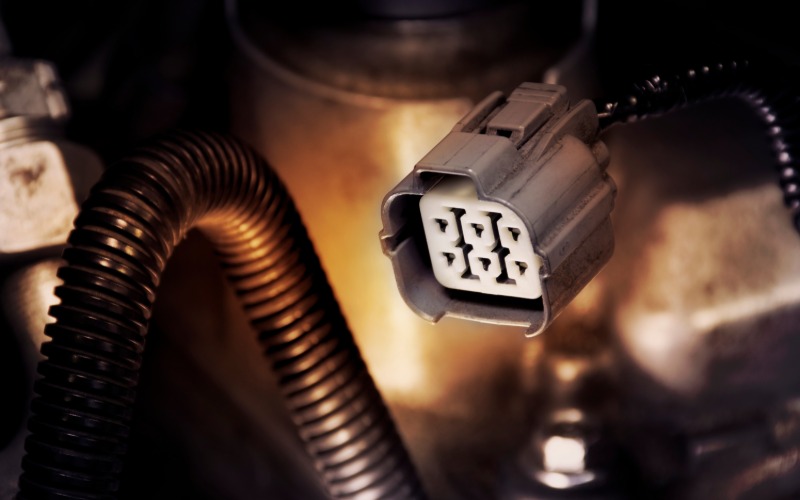
Many sealed automotive connectors appear as direct interfaces for sensors, solenoids, coils, injectors, lamps, and other components. These connectors may have only two or three cavities, but their shapes can be highly specific to an application.
A damaged tab creates a common example. The electrical contacts may still function, but the connector no longer stays secure on the component. Heat can also make old plastic brittle, so the shell may crack during normal service.
In such cases, a replacement connector with a short wire lead set can provide a practical repair path. The technician can remove the damaged section and restore the connection with parts that match the original application.
Bulkhead and Multi-Cavity Sealed Connectors
Not every sealed connector sits at the end of a small branch circuit. Some vehicles use large multi-cavity connectors where numerous circuits pass through a firewall, control module interface, body panel, or major harness junction.
These connectors pack many terminals into one assembly. Their seals protect a much larger interface, so correct fit becomes especially relevant. Bent contacts or poor terminal placement can affect several vehicle systems at once. A repair at this type of connector calls for close inspection. Cavity maps, terminal styles, wire sizes, and connector orientation all deserve verification before parts go back together.

How To Choose the Correct Sealed Connector
Now that you know the many options, you can start shopping for sealed automotive connectors. Physical appearance offers a useful starting point, but it shouldn’t serve as the only reference. Start with the vehicle model, then compare the original connector’s cavity count, shape, tabs, terminal style, wire size, and seal arrangement.
Connector gender also matters. Automotive terminology can become confusing because the outer shell doesn’t always tell you the contact gender inside. A clear view of the terminals and mating face can help prevent an incorrect match.
Condition matters, too. If corrosion has reached the terminals or wire strands, replacement of the plastic shell alone may not solve the fault. Inspect the full connection so the repair addresses every damaged part.
Know the Different Sealed Connectors
A small connector can control a sensor, fuel injector, fan, lamp, pump, or another component that the vehicle relies on every day. The right sealed connector helps protect that circuit from the many hazards, like dirt or vibrations, found across automotive environments. Knowledge of different types of sealed automotive connectors gives technicians a stronger foundation for accurate electrical repairs. All the designs above each suit distinct applications. When an uncommon connector proves hard to source, turn to Connector Experts for 10-pin wire connectors and other automotive connector options built around the needs of repair professionals and vehicle owners.