
How To Improve Electrical Reliability in Vehicles
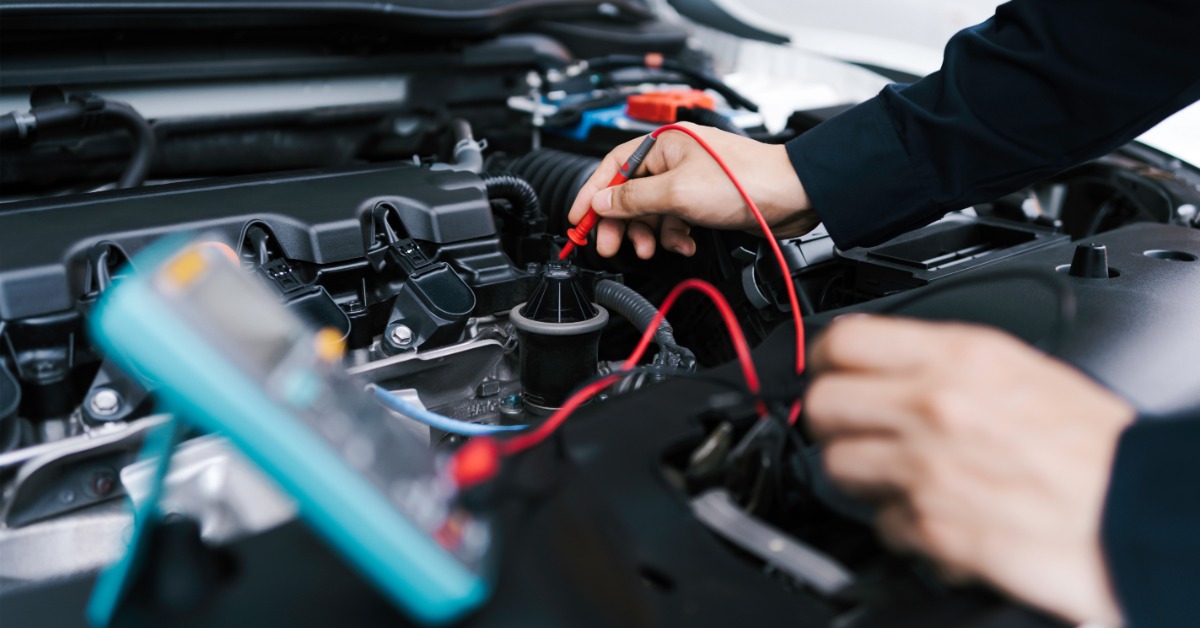
A modern vehicle depends on electricity for far more than headlights and a starter motor. Sensors, fuel injectors, control modules, pumps, fans, cameras, and dozens of other components all rely on stable electrical connections. A loose terminal or damaged connector can cause symptoms that seem unrelated to the original fault. Use this this guide to sharpen your knowledge of how to improve electrical reliability in vehicles.
Prioritize a Healthy Battery and Charging System
Electrical reliability starts at the battery. A weak battery can create slow starts, dim lights, unusual warning messages, and other symptoms that can send a diagnosis in several directions. Battery age, terminal condition, cable condition, and voltage deserve attention when electrical trouble appears.
Corrosion around battery terminals can add resistance to the circuit. Loose cable connections can create similar trouble, especially during engine startup when the starter demands substantial current. Clean terminals and secure cable connections give the electrical system a stronger foundation.
The alternator deserves attention as well. It supplies electrical power after the engine starts and restores energy to the battery. Problems in the charge circuit can leave a healthy battery undercharged, so a technician may need to test the full system rather than replace one component based on symptoms alone.
Give Electrical Connectors a Closer Look
Connectors live in a rough environment. Heat, moisture, vibration, dirt, road debris, and repeated service can take a toll on housings, seals, locks, and terminals. A connector may still appear attached even after damage compromises its electrical contact.
For example, a cracked locking tab may allow a plug to loosen as the vehicle travels over rough roads. The circuit can work normally in the shop, then fail after vibration shifts the connection. That type of intermittent fault can turn a straightforward repair into a frustrating diagnostic job.
Look for cracked housings, bent terminals, corrosion, damaged seals, loose pins, heat marks, and wires that have pulled away from their proper positions. A close visual inspection can reveal faults that a quick glance may miss.
Replace Damaged Connectors
A temporary electrical repair may get a vehicle through the day, but it isn’t always a good long-term answer. Tape wrapped around a broken connector lock won’t restore damaged terminals or a compromised seal. A loose connection can return once heat and vibration place stress on the repair.
The replacement connector also needs to suit the vehicle and circuit. Connector shape alone doesn’t tell the full story. Terminal arrangement, wire size, seal design, lock style, and application can all affect compatibility.
A proper replacement restores the physical connection instead of trying to work around a damaged part. This approach also gives technicians a cleaner repair that’s easier to inspect during future service. For shops, that can reduce repeat visits tied to the same electrical fault. You can buy reliable 9-pin electrical connectors and other similar designs online to help keep your electrical system reliable.
Protect Wiring From Heat and Abrasion
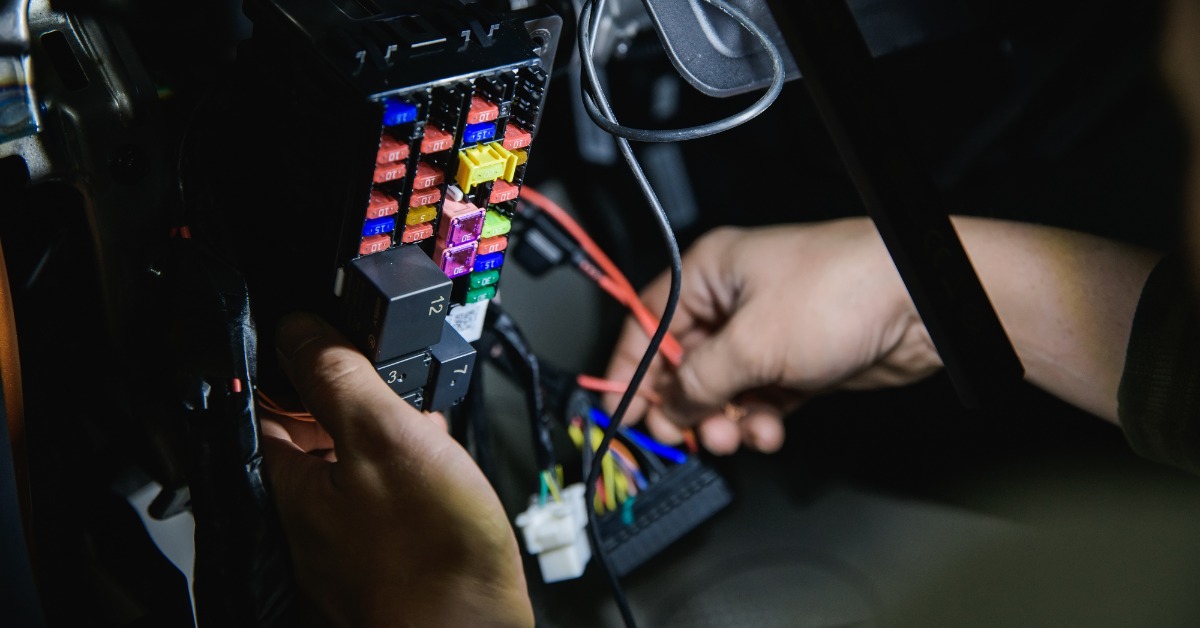
Vehicle wires pass through crowded areas filled with metal edges, brackets, hot components, and parts that move. Poor wire placement can expose insulation to cuts, friction, or excessive heat. Once insulation fails, a circuit may short to ground or become vulnerable to moisture.
Pay close attention to wire routes near exhaust components, engine parts, suspension areas, and sharp body panels. Harness clips, retainers, protective sleeves, and factory routing points help keep wires away from trouble. Missing clips deserve replacement rather than an improvised tie-down that places stress on the harness.
Previous repairs can also alter the original wire path. A harness that sits several inches away from its factory location may now rest against a hot surface or sharp bracket. Restoring a sensible route can prevent a new electrical problem from appearing later.
Use Proper Tools for Electrical Repairs
Electrical work rewards precision. Wire strippers, crimp tools, terminal release tools, and electrical test equipment all serve specific purposes. The wrong tool can damage a terminal, cut wire strands, or distort a connector housing.
Terminal release tools provide a good example. A screwdriver may look like a convenient substitute, but excessive force can damage the internal lock that holds the terminal in place. The terminal may then back out after the connector goes back into service.
Crimp quality matters for similar reasons. A poor crimp can create a weak mechanical connection or unwanted resistance. Correct tools and careful workmanship help the repaired circuit stand up to the same heat and vibration it faces every day.
Pay Attention to Grounds
Ground connections can cause some of the most confusing electrical symptoms on a vehicle. Several circuits may share a ground point, so one poor connection can affect more than one component. Lights may behave strangely, sensors may report unusual values, or a module may appear to have a fault elsewhere.
Ground straps and connection points can suffer from corrosion, physical damage, or loose hardware. Inspection should cover the cable or strap as well as the contact surface. Dirt, rust, and paint between contact points can interfere with a solid electrical path. A technician who checks power but ignores the ground side of the circuit may miss half of the diagnostic picture. Voltage-drop tests can help expose resistance that isn’t obvious from appearance alone.
Don’t Ignore Small Electrical Symptoms
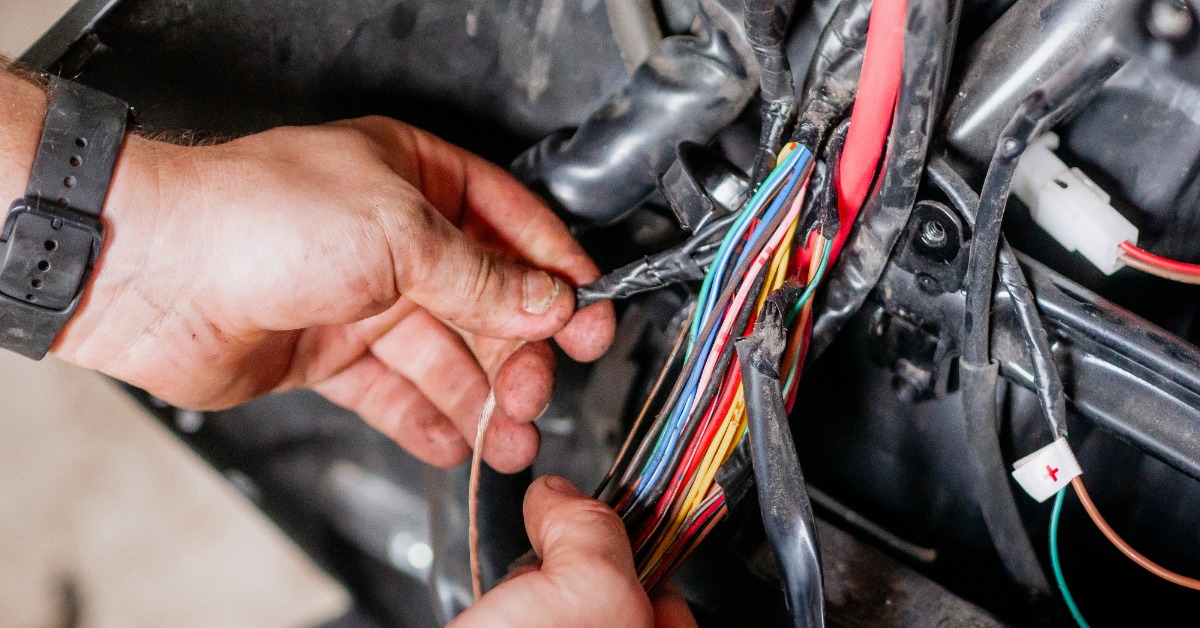
Intermittent electrical faults rarely become more convenient with time. A light that flickers after a bump, a sensor code that returns without a clear pattern, or an accessory that cuts out from time to time can point toward a connection problem. Early diagnosis gives technicians a chance to inspect the circuit before heat, corrosion, or physical damage spreads. It can also prevent unnecessary parts replacement. A fault in a connector, wire, or ground can sometimes imitate the symptoms of a failed component.
Accurate diagnosis should come before the repair. Once the fault is identified, replacing damaged electrical parts with suitable components provides a more dependable path forward than repeated temporary fixes. Reliable automotive electrical systems depend on many small connections that all have to do their jobs. Now that you know how to improve electrical reliability in vehicles, start making the right adjustments to your hardware.