
Pros and Cons of Aftermarket Wire Connectors
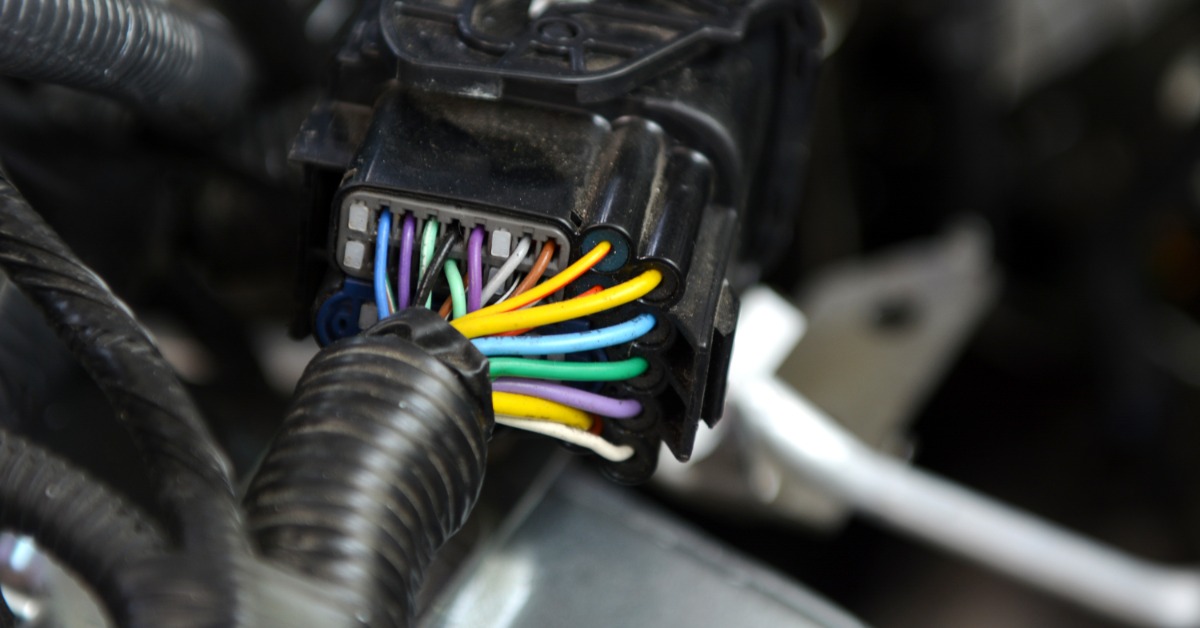
A damaged electrical connector can turn an otherwise routine vehicle repair into a much larger headache. The original connector may no longer be available from the dealer, the vehicle may have some age on it, or a repair shop may need a practical alternative without an extended parts search. Pros and cons of aftermarket wire connectors deserve a close look before a technician or vehicle owner selects a replacement. Dive into our complete guide to learn how to proceed with your connector installation or repair.
What Are Aftermarket Wire Connectors?
An aftermarket wire connector serves as an alternative to a connector supplied through the vehicle manufacturer or its dealer network. These parts can support repairs after an original connector cracks, corrodes, melts, loses terminal tension, or suffers other damage. A mechanic may also need one after collision damage affects a harness or electrical component.
Modern vehicles rely on electrical connectors across numerous systems. Sensors, lights, fans, pumps, switches, and other components all depend on secure electrical contact. A connector problem can therefore cause symptoms that seem unrelated to the connector itself.
The aftermarket gives repair professionals another route when an original part proves hard to obtain. That flexibility has clear advantages, but not every connector deserves a place in a vehicle. Product selection should account for the connector design, terminal layout, application, and repair environment.
Pro: Access to Hard-to-Source Connectors
Availability is one of the strongest reasons to consider an aftermarket connector. Dealership parts departments don’t always stock every connector as an individual service part. In some cases, a connector may come only as part of a larger assembly from the original manufacturer.
That situation can leave a shop with an awkward choice. A technician may have a perfectly usable component but a damaged plug at the end of the circuit. Replacement of a much larger assembly can add expense and labor to a repair that centers on a relatively small part. Aftermarket suppliers can fill that gap with connector options for a broad range of makes and models. This can prove especially useful for older vehicles, less common applications, or repairs where standard local parts sources have limited choices.
Pro: More Flexibility for Automotive Repairs
Vehicle repair rarely follows a perfect script. Age, heat, moisture, prior repairs, collision damage, and normal use can all affect electrical components in different ways. Access to aftermarket connectors gives a technician more options when a factory replacement route doesn’t fit the job.
For example, a collision repair may leave a lamp connector damaged even though the lamp assembly remains usable. A suitable aftermarket connector may allow the shop to address the damaged area instead of replacing unrelated parts. That flexibility can also help independent repair facilities that work on many vehicle brands. Rather than rely on a separate dealer channel for every make, a shop can source connectors through an automotive connector specialist.
Con: Quality Can Vary Across the Aftermarket
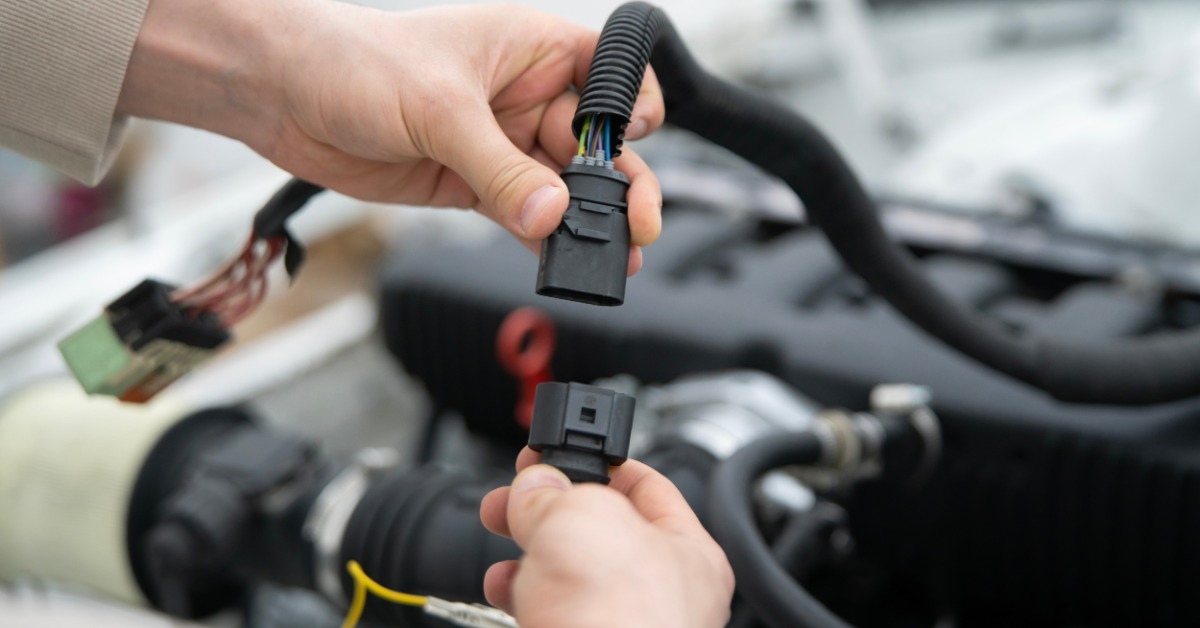
The aftermarket covers a wide range of manufacturers and suppliers, so product quality isn’t identical from one source to another. Two connectors that appear similar in a photo may differ once a technician examines the terminals, seals, housing, or lock mechanism. Poor terminal fit can create trouble in an automotive electrical system. A loose connection may cause intermittent faults, and a weak lock can allow a connector to separate under vibration.
Material quality also deserves attention in areas exposed to heat, moisture, dirt, or road debris. For that reason, source selection carries real weight. Vehicle owners and repair professionals should use a supplier with a clear focus on automotive connector applications rather than treat every similar-looking plug as interchangeable.
Con: Installation Quality Still Matters
Even a well-made connector can’t compensate for poor repair work. Terminal placement, wire condition, splice quality, insulation, strain relief, and protection from the environment all affect the final result. A rushed repair may create resistance, loose contact, or exposure to moisture. Those faults can appear immediately, or they can emerge after the vehicle returns to regular use.
For a professional shop, that can lead to a comeback and extra diagnostic time. Technicians should follow appropriate repair procedures for the connector and circuit at hand. Vehicle owners without the right tools or electrical repair experience may prefer professional service for more complex connector faults.
OEM Versus Aftermarket Isn’t Always a Simple Choice
Factory parts have obvious appeal because they come from the vehicle manufacturer’s established parts network. However, availability, price, vehicle age, and the way a manufacturer sells a connector can affect the practicality of that route. An aftermarket connector can provide a focused alternative when the original part isn’t sold separately or isn’t easy to obtain.
On the other hand, an available factory connector may suit a repair with no need to explore another source. The best choice depends on the actual vehicle and repair. A technician should evaluate fit, compatibility, condition of the surrounding circuit, and the source of the replacement part rather than rely on the aftermarket or OEM label alone.
How to Choose an Aftermarket Connector
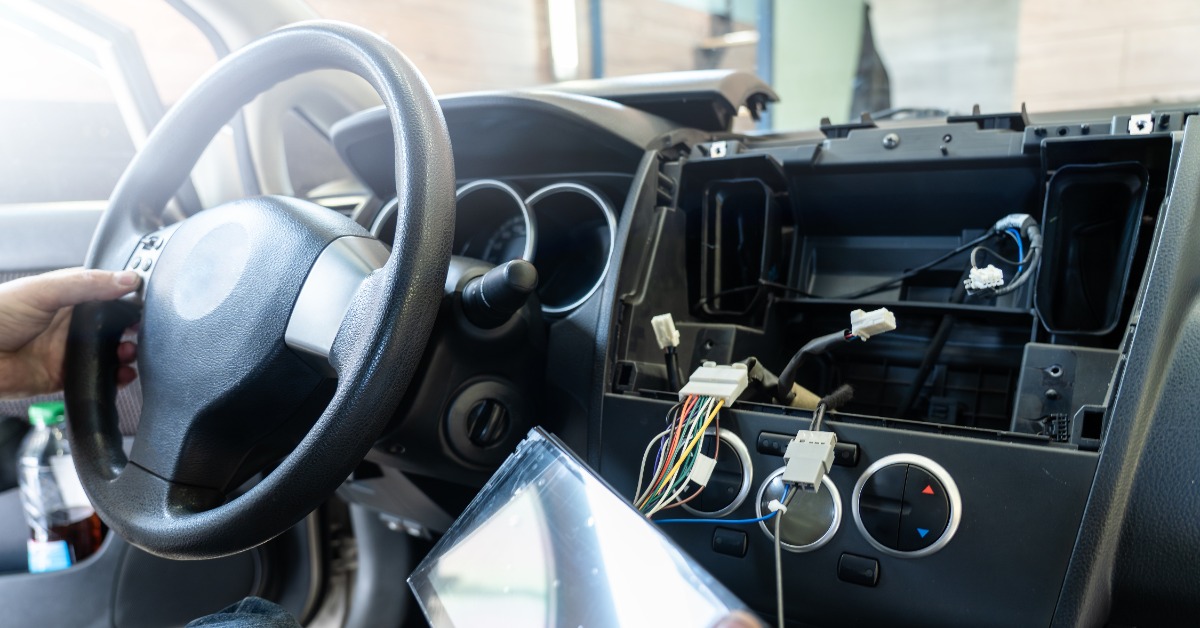
Start with accurate vehicle and component information. Make, model, model year, engine details, connector location, and terminal count can help distinguish one option from another. A clear look at the damaged connector can also reveal housing shape, lock features, and other useful details.
Next, consider the environment around the connector. An underhood electrical connection faces different conditions than a protected connector inside the cabin. Heat, moisture, vibration, and exposure to debris can influence the type of repair a technician selects. Finally, consider the supplier. A company that specializes in automotive connectors can offer a more relevant product range than a general electronics source.
The pros and cons of aftermarket wire connectors come down to access, flexibility, compatibility, quality, and the needs of the specific repair. A connector may be small, but its role in an electrical circuit deserves close attention. The right replacement can help restore a clean, secure connection without unnecessary parts replacement. For 7-pin electrical connectors across a wide range of makes and models, explore Connector Experts and locate the design that suits your repair.