
How Weather Exposure Damages Vehicle Electrical Connectors

Vehicle electrical systems face tough conditions every day. Rain, road salt, blazing summer heat, freezing temperatures, and constant humidity all take a toll on the connectors that keep modern vehicles running. That’s why every driver and mechanic must know how weather exposure damages vehicle electrical connectors. If your goal involves dependable electrical performance and fewer unexpected repairs, now is a great time to inspect worn connectors and replace damaged components.
Moisture Starts the Trouble
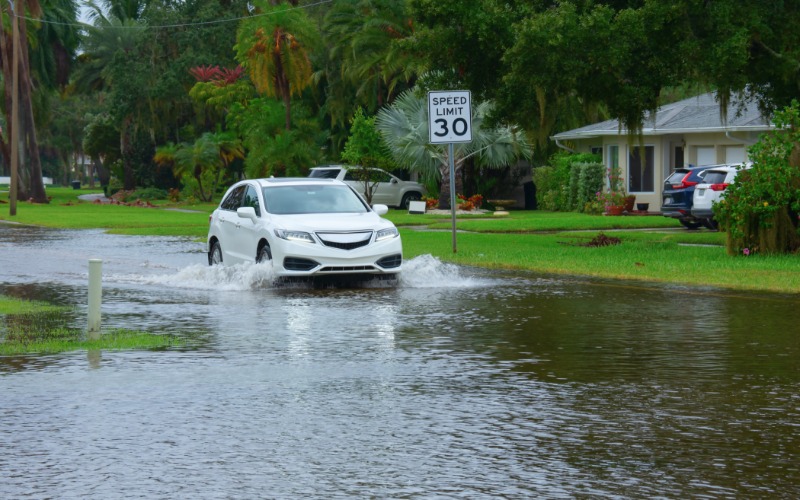
Water ranks among the biggest threats to electrical connectors. Even connectors with weather seals can suffer after years of service, especially if seals crack or become brittle. Once moisture reaches the terminals, corrosion begins to develop across the metal surfaces. That corrosion creates resistance, and resistance interferes with the steady flow of electricity.
A single corroded terminal can produce symptoms that seem unrelated. Headlights may flicker, sensors can report inaccurate readings, or a vehicle might develop intermittent electrical faults. Those issues rarely appear overnight. Instead, corrosion slowly spreads until reliable contact disappears.
Road Salt Speeds Up Corrosion
Drivers in northern climates face another challenge during winter. Road salt keeps highways safer, yet it creates a harsh environment for electrical components mounted beneath a vehicle. Salt combines with moisture to produce an electrolyte that accelerates corrosion on exposed terminals.
Connectors near wheel wells, suspension components, and bumpers receive constant exposure throughout the season. A connector that looked perfectly healthy before winter may show heavy oxidation by spring. That damage can spread into nearby wiring if repairs wait too long. Routine inspections after winter help catch corrosion before larger electrical problems develop.
Heat Weakens Connector Materials
Summer temperatures place stress on connectors in a different way. Engine compartments already produce high heat, and hot weather pushes temperatures even higher. Plastic housings expand and contract through repeated heat cycles, and rubber seals gradually lose flexibility.
As those materials age, tiny gaps may appear around the connector. Moisture and dirt gain an easier path inside once those protective barriers deteriorate. Metal terminals also expand during extreme heat, and years of thermal cycling reduce the tight fit required for dependable electrical contact.
The result may appear as an intermittent electrical problem that disappears after the vehicle cools down, only to return during another hot afternoon.

Freezing Temperatures Create Hidden Damage
Cold weather introduces another layer of stress. Moisture trapped inside a connector can freeze when temperatures drop below freezing. Ice expands, placing pressure on seals and connector housings.
Tiny cracks may develop without any visible warning. Those cracks allow additional moisture to enter after temperatures rise again. Each freeze-and-thaw cycle creates another opportunity for corrosion to spread deeper into the connector assembly. Over several seasons, minor damage can turn into a complete electrical failure. Vehicles that operate in regions with dramatic seasonal swings face this cycle year after year.
Dirt and Debris Wear Down Connections
Weather exposure involves more than rain and temperature changes. Dust, mud, sand, and road debris also find their way toward electrical connectors. Tiny particles work past worn seals and settle around the terminals.
Vibration from daily driving allows that debris to rub against contact surfaces over time. Dirt also traps moisture, creating a damp environment that encourages corrosion. Off-road vehicles, construction equipment, and trucks used on gravel roads experience this type of wear at a faster pace than vehicles driven exclusively on paved streets. Clean connectors last much longer than connectors buried beneath layers of grime.
UV Rays Age Exterior Connectors
Sunlight creates another challenge for connectors located near the front grille, roof accessories, trailer wiring, or other exposed locations. Ultraviolet radiation gradually breaks down plastic housings and rubber sealing materials. Years of direct sunlight leave those components faded, brittle, and prone to cracking.
Once the protective shell deteriorates, weather reaches the terminals with little resistance. Water intrusion becomes far more likely, and corrosion follows soon afterward. Vehicles parked outdoors throughout the year usually experience faster deterioration than vehicles stored inside a garage. A visual inspection will reveal faded or cracked connector housings before electrical symptoms appear.
Vibration Works Alongside Weather
Weather damage rarely acts alone. Every mile on the road exposes connectors to constant vibration from the engine, suspension, and uneven pavement. Those small movements loosen weakened terminals that already suffer from corrosion or material fatigue.
Loose terminals generate inconsistent electrical contact. One moment, a circuit functions normally, and the next, it loses connection after the vehicle hits a bump. These intermittent faults create some of the most frustrating electrical diagnoses because the problem may disappear during inspection. Replacing worn connectors restores a secure mechanical connection along with dependable electrical performance.
Warning Signs That Connectors Need Attention
Weather-related connector damage usually provides several warning signs before complete failure occurs. Paying attention to those symptoms helps prevent larger electrical repairs.
Common warning signs include:
- Flickering exterior or interior lights
- Sensors that produce inconsistent readings
- Warning lights that appear without another obvious cause
- Corrosion around connector terminals
- Cracked housings or damaged weather seals
- Loose electrical connections that fail intermittently
Early replacement costs far less than repairing damaged wiring harnesses or replacing electronic control modules affected by poor electrical connections.
Choosing Quality Replacement Connectors
Not every replacement connector provides the same level of protection against harsh weather. As you browse 4-wire electrical connectors and other automotive connector designs, there are many key factors to consider. High-quality connectors feature durable housings, properly fitted seals, corrosion-resistant terminals, and precise terminal retention. Those features help maintain reliable electrical contact across years of exposure.
Using the proper replacement for the vehicle allows the connector to fit securely without unnecessary modifications. That precise fit reduces opportunities for moisture intrusion and premature wear. Professional-grade replacement connectors help technicians complete repairs with greater confidence and long-term reliability.
Weather never stops testing a vehicle's electrical system. Rain, snow, heat, road salt, dirt, and sunlight all contribute to connector deterioration over time. The different ways weather exposure damages vehicle electrical connectors highlight the value of routine inspections and timely replacement before corrosion spreads into larger electrical systems. If you're repairing a damaged connector or planning preventative maintenance, choose replacement connectors built for automotive environments. High-quality components help extend electrical reliability and reduce future repair costs.