
Best Practices for Plug Connector Maintenance
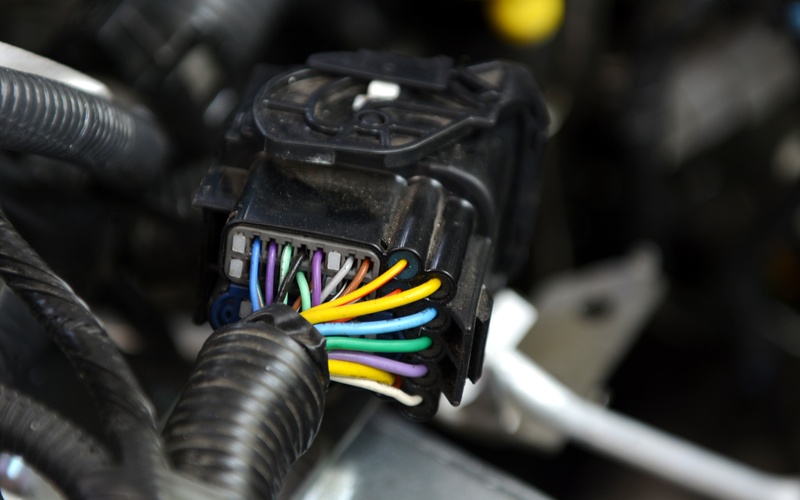
Vehicle electrical systems depend on strong, reliable connections. A small plug connector might look simple, but it carries power and data that keep many systems running smoothly. From sensors to safety features, connectors play a quiet but vital role under the hood and throughout the vehicle.
Taking a little time to care for these components can prevent frustrating electrical issues later. Loose connections, corrosion, and dirt buildup can cause failures that are difficult to diagnose. Regular maintenance reduces those risks and helps technicians keep vehicles operating the way they should. This guide breaks down best practices for plug connector maintenance. Use these tips as part of routine vehicle care or during repair work to help extend the life of electrical connections.
Intro To Plug Connector Maintenance
Plug connectors form the meeting point between wires and components throughout a vehicle. They allow parts to be easily replaced and systems to be swiftly serviced without cutting and splicing wires. Because of their location, many connectors live in harsh environments.
Under the hood, they face heat, moisture, vibration, and road debris. Connectors near wheel wells or under the chassis may experience even more exposure. Over time, these conditions can lead to problems such as:
- Corrosion on terminals
- Dirt or debris inside housings
- Bent or damaged pins
- Weak locking tabs
- Loose connections due to vibration
When a connector fails, the symptoms may appear as intermittent electrical faults. Sensors stop sending signals, lights flicker, or systems fail altogether. Routine inspection and care prevent many of these issues from developing.
Inspect Connectors During Routine Maintenance
The first and most effective maintenance practice is regular inspection. Anytime a technician services a vehicle or removes a component, connectors should receive a quick visual check. Look closely at both the plug and the mating connector. The goal is to catch early signs of wear before they turn into bigger electrical problems.
Details to check include broken plastic housings, damaged terminals, and discoloration. Even a small amount of corrosion can disrupt electrical signals. Spotting these issues early helps avoid troubleshooting headaches later. For mechanics and repair shops, this habit becomes second nature. A quick inspection only takes a moment and can prevent a return visit from an unhappy customer.
Keep Connectors Clean
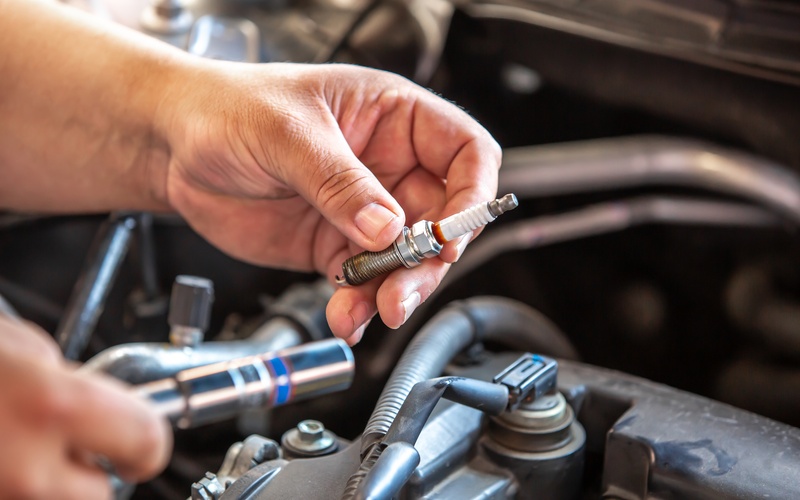
Clean connectors make better electrical contact. Dirt and grime create resistance, which interferes with electrical signals and power delivery. When a connector shows signs of contamination, cleaning it properly is the next step. Always disconnect the connector before cleaning. A typical cleaning process includes:
- Blowing out loose debris with compressed air
- Using electrical contact cleaner designed for automotive use
- Gently brushing terminals if buildup is visible
- Allowing the connector to dry before reconnecting
Avoid using harsh chemicals or general household cleaners. Those products may leave residue or damage the plastic housing. Clean connectors restore proper contact and help systems operate reliably again.
Protect Connectors from Moisture
Moisture remains one of the most common causes of connector failure. Water inside a plug connector can lead to corrosion on terminals, which eventually blocks electrical flow. Many automotive connectors include seals or weatherproof designs. These seals keep water and contaminants out when the connector is fully seated.
Maintenance should include checking these seals carefully. A damaged or missing seal exposes the connector to the elements. Start by confirming seals are intact during inspections to help reduce moisture problems.
Make sure connectors are fully seated, and replace damaged housings or seals promptly. Remember to avoid leaving connectors exposed during repairs. A properly sealed connector stands up much better to road conditions and engine bay environments.
Handle Connectors with Care
Connector damage sometimes happens during repairs rather than normal vehicle operation. Pulling on wires or forcing connectors apart can bend terminals or break locking mechanisms. Correct handling practices help prevent unnecessary damage.
Always unplug connectors by gripping the housing instead of the wire harness. Most connectors include a release tab that must be pressed before separation. If a connector feels stuck, never force it apart.
Instead, double-check the release tab, and inspect for secondary locks. If necessary, wiggle gently while pulling on the housing. Small plastic tabs and clips can break easily. Once they fail, the connector may no longer stay secure. Proper handling protects both the connector and the wiring harness.
Following these simple best practices for plug connector maintenance helps keep electrical systems stable and dependable. When connectors stay in good condition, sensors communicate properly, lights function reliably, and vehicle electronics perform as intended.
Use Dielectric Grease When Appropriate
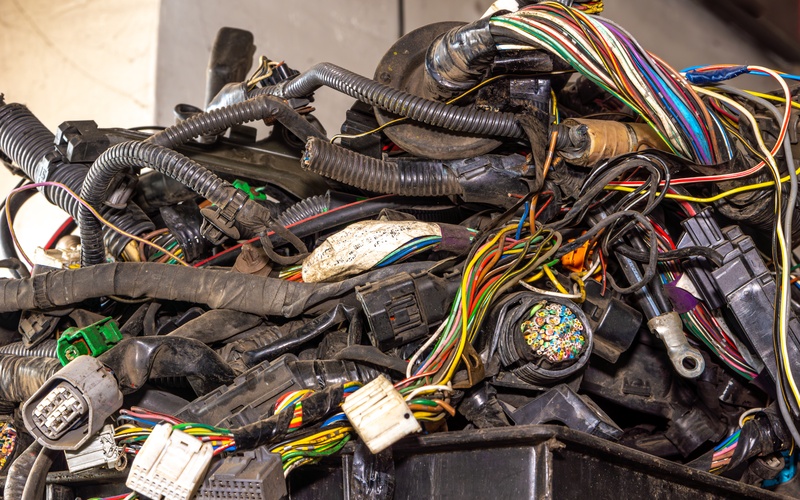
Dielectric grease can help protect certain connectors from moisture and corrosion. It forms a barrier that keeps water away from metal terminals. However, you should only use dielectric grease where appropriate. Some sealed connectors do not require grease, and adding too much can interfere with contact if applied incorrectly. When used properly, dielectric grease provides benefits such as moisture protection and reduced corrosion risk.
Apply only a small amount to the seal area rather than filling the entire connector cavity. The goal is protection, not insulation. Technicians who use dielectric grease correctly can add another layer of defense against environmental damage.
Replace Damaged Connectors Promptly
Sometimes, cleaning and inspection are not enough. A connector with broken housings or severe corrosion should be immediately replaced. Trying to reuse a damaged connector can create unreliable electrical connections.
This leads to intermittent faults that are difficult to track down. Replacement ensures the wiring system returns to proper condition. When installing a new connector:
- Confirm terminal alignment
- Secure the connector fully
- Verify the locking tab engages correctly
- Check that seals are seated properly
Proper installation restores stable electrical contact and keeps the system dependable. Because modern vehicles rely on many electrical systems, reliable connectors remain a major part of successful repairs.
Taking Care Of Your Connectors
Plug connectors rarely receive much attention until something stops working. However, these small components play a major role in the electrical systems found in modern vehicles. Regular inspection, careful handling, and basic cleaning practices go a long way toward preventing issues.
If you work on vehicles regularly, make connector inspection part of your normal repair routine. A few extra moments spent checking connections today can save hours of troubleshooting later. Equip yourself with reliable components, such as 9-pin wire connectors, and use the steps above to take care of them. Taking care of these components means they will maximize performance every day. Stay proactive, stay observant, and treat connectors with the same attention you give to other critical vehicle components.