
Understanding Shielded Connectors for Vehicle EMI Control
Modern vehicles rely on dozens of electronic systems that communicate across complex wiring networks. Sensors, control modules, infotainment systems, and battery management components all share the same electrical environment. When electronic noise spreads through that network, signals can degrade and system behavior can become unpredictable.
Understanding shielded connectors for vehicle EMI control helps explain how engineers manage that noise and maintain reliable communication between components. If you work with vehicle electrical systems, take a deeper look at shielded connectors and recognize why certain connector designs appear in advanced automotive applications.
What EMI Looks Like Inside a Vehicle
Electromagnetic interference, commonly called EMI, refers to unwanted electrical noise that travels through wires or radiates through the air. Every electronic component in a vehicle generates some level of electromagnetic energy. When multiple systems operate in close proximity, that energy can interact with nearby circuits.
This interaction can distort signals that travel between modules and sensors. Even a small disruption can lead to inaccurate sensor readings or erratic module communication. Vehicle manufacturers address this challenge through careful wiring design, grounding strategies, and shielded connectors.
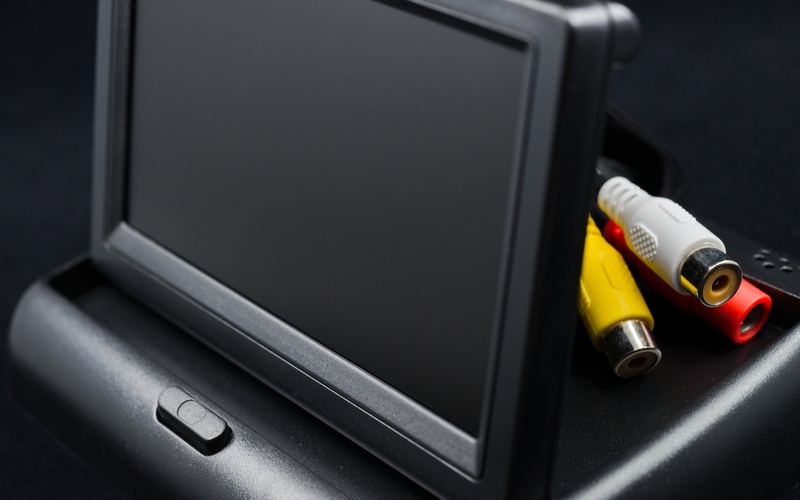
Electronic interference does not always appear as an obvious electrical failure. In many cases, it causes subtle problems that appear unrelated to wiring at first glance. A backup camera may show distorted video, or a radar sensor may send inconsistent distance data to a driver-assist system. These symptoms occur because electromagnetic noise can enter signal circuits that carry delicate data. Shielded wiring and connectors act as protective barriers that reduce the spread of interference.
The Role of Shielding in Automotive Connectors
You can shop for 7-pin pigtail connectors online right now, but the number of pins available is not the only detail you should consider. So, what role does shielding play? Shielded connectors act as a continuation of cable shielding. Many vehicle wiring harnesses include braided or foil shielding that surrounds the internal wires.
This metallic layer absorbs or redirects electromagnetic energy before it reaches the signal conductors inside the cable. A shielded connector extends that protective layer through the connection point between two harness segments or components. Without this continuation, the cable shield would end at the connector body, which leaves a small gap where interference could enter the circuit. Engineers design shielded connectors with conductive shells or internal shielding structures that maintain electrical continuity through the connection.
How Shielded Connectors Block Interference
The protective behavior of shielded connectors relies on grounding and conductive materials. The outer shell of the connector connects to the cable shielding and directs unwanted electromagnetic energy toward ground. Instead of reaching signal wires, the noise travels along the shield and dissipates safely.
Metal shells, conductive coatings, and internal shield rings all contribute to this protection. When the connector locks into place, the shielding components contact each other and create a complete conductive path. This path surrounds the signal wires like a protective tube. Electromagnetic noise encounters the outer shield first and flows away from the signal conductors.
Systems That Benefit from Shielded Connectors
Not every electrical circuit in a vehicle requires shielding. High-current power circuits, such as those that supply lighting or starter motors, tolerate a fair amount of electrical noise. Data communication lines and sensor circuits require greater protection.
Modern vehicles rely on communication networks such as CAN bus, LIN bus, and automotive Ethernet. These systems transmit data between control modules throughout the vehicle. A small amount of interference can corrupt packets of digital information. Shielded connectors help maintain clear communication between modules that depend on accurate data transfer.
Advanced driver assistance systems also benefit from shielded connections. Radar sensors, cameras, and ultrasonic sensors operate with precise electronic signals. Clean signal paths help these systems maintain reliable operation in complex electrical environments.
Electric Vehicles Increase EMI Challenges
Electric vehicles introduce new electrical conditions that raise EMI concerns. High-voltage battery systems, inverters, and electric motors operate with rapid switching electronics. These systems generate electromagnetic energy that spreads throughout the vehicle wiring architecture.
Because EVs rely on advanced electronics for propulsion, energy management, and safety monitoring, signal reliability becomes even more critical. Shielded connectors help isolate communication circuits from power electronics that operate nearby. Without shielding, noise from motor control systems could reach delicate sensor networks or communication lines. For this reason, shielded connectors appear frequently in EV harness design.
Design Features of Automotive Shielded Connectors
Understanding shielded connectors for vehicle EMI control requires taking a closer look at their key design features. Engineers evaluate several factors when they choose shielded connector designs for vehicle systems. One consideration involves how the connector maintains contact between shielding elements.
Spring fingers, conductive gaskets, and shield rings allow the connector shells to maintain electrical continuity even under vibration. Durability also plays a role in automotive and industrial environments. Connectors must tolerate heat cycles, intense vibration, and exposure to moisture or debris.
Shielded connectors therefore combine electromagnetic protection with mechanical strength. Many designs include metal shells inside durable polymer housings that resist corrosion and physical damage. These design elements allow shielded connectors to perform well under harsh automotive conditions.

Successfully Implementing Shielded Connectors
Vehicle electronics continue to expand in complexity as safety systems, connectivity features, and electric powertrains advance. Each new system introduces additional data communication and sensor networks that require clean electrical environments. Shielded connectors support those networks by protecting signal wires from electromagnetic interference. This protection allows modules, sensors, and communication systems to operate with stable and predictable signals.
Technicians and repair shops encounter shielded connectors more frequently as vehicle electronics continue to evolve. Communication networks, sensor arrays, and electrified powertrains all rely on stable signal transmission. Shielded connectors provide the protective structure that helps those signals travel without distortion. Connector design may appear like a small detail in a vehicle wiring system. Yet, that detail supports the broader network of electronics that modern vehicles depend on every day.
A solid understanding of shielded connectors helps technicians recognize why these components appear in many modern harness designs. When repairs involve damaged connectors or degraded shielding, replacing those parts restores the protective barrier that vehicle electronics rely on. If you work with automotive wiring systems, get familiar with connector design and shielding concepts so you can help maintain reliable vehicle performance across increasingly advanced electrical platforms.